Song Meaning
Jim Reeves' "Dubbio" isn't just a country ballad; it's a masterclass in melancholic self-awareness. The song meaning hinges on the almost theatrical embrace of heartbreak. Reeves doesn't wallow passively; he actively inhabits the role of the lovelorn, noting how his hands reach for a phantom and his memory fixates on a lost connection. This isn't just sadness; it's a performance of sadness. The key line, "If heartache is the fashion, then I guess that I'm in style," reveals a complex dynamic. Is he genuinely devastated, or is there a performative aspect to his suffering? The lyrics suggest a potential self-consciousness, a recognition that he's playing a part in his own drama. This awareness doesn't diminish the pain, but it adds a layer of psychological intrigue.
The recurring theme of absence is palpable. The lyrics are filled with sensory deprivation: a lack of touch, a loss of smiles, a dread of encountering the former lover. This void underscores the depth of the emotional wound, but also hints at a potential dependence on the *idea* of the lost love. The line about missing "the tender kiss that someone else will know" is particularly poignant, highlighting the possessiveness and jealousy that often accompany heartbreak. It's not just about the loss of the kiss itself, but the knowledge that someone else is now the recipient of that intimacy.
Ultimately, "Dubbio" explores the blurred lines between genuine emotion and performative suffering. Jim Reeves captures the universal experience of heartbreak, but he also delves into the psychological complexities of how we process and present our pain. It's a song that invites us to question the authenticity of our own emotions, and to consider the role that self-awareness plays in shaping our experiences of loss.
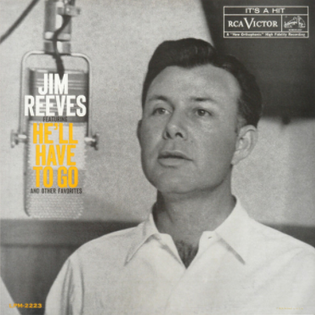
 View Artist