Song Meaning
Jim Reeves's "I Guess I'm Crazy" isn't just a countrypolitan lament; it's a concise psychological portrait of love as addiction. The premise is brutally simple: the narrator acknowledges the irrationality of his devotion, yet remains helplessly ensnared. The object of his affection offers little to no reciprocation, outlining all the ways he "won't do," yet he clings tighter, fueled by a cocktail of desperation and denial. The repeated line, "I guess I'm crazy for loving you," isn't a romantic declaration but a self-indictment, a fleeting moment of clarity quickly buried under the weight of his obsession. It's the addict's mantra: acknowledging the problem without possessing the will to break free.
The song's power lies in its stark honesty. There's no blame placed on the other party, no dramatic accusations of betrayal. Instead, the focus remains laser-locked on the narrator's internal struggle. The admission, "My heart keeps sayin' that I'm a fool," highlights the cognitive dissonance at play. He knows, intellectually, that he's making a mistake, yet his emotions override reason. This speaks to the primal, almost biological, nature of infatuation – a force that can hijack the rational mind and drive behavior that defies logic. The simplicity of the lyrics only amplifies this sense of helpless surrender.
Ultimately, "I Guess I'm Crazy" resonates because it taps into a universal fear: the fear of losing control, of being consumed by a feeling that undermines our sense of self. It’s a frank exploration of love's darker side, where devotion blurs into dependency and the lines between passion and pathology become frighteningly thin. Reeves delivers this message with a subdued intensity, his vocal performance mirroring the narrator's quiet desperation, making the song a haunting exploration of love's potential for self-destruction.
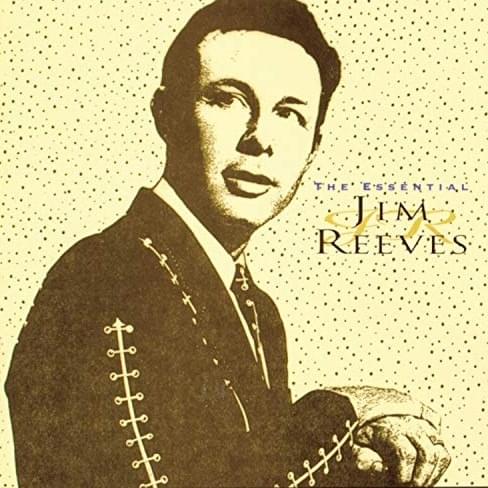
 View Artist