Song Meaning
Jim Reeves's "I Could Cry" isn't just a lament; it's a portrait of emotional paralysis. The song's core revolves around a central paradox: the recognition of a love that is both profound and fatally flawed. The singer acknowledges the futility of tears, yet the impulse to weep underscores the depth of his despair. It's the quintessential country music bind – recognizing a painful truth but being utterly unable to break free. The lyrics analysis reveals a man trapped between the recognition of betrayal ("you never could be true") and the stubborn, almost masochistic, persistence of his affection. He's aware, perhaps even hyper-aware, of the situation's hopelessness.
The repeated phrase "I could cry" acts as both a statement of potential and a shield against action. The weeping remains theoretical, a possibility perpetually deferred. This deferral speaks volumes. It suggests a fear of fully confronting the pain, a desire to maintain a semblance of control by keeping the emotional floodgates closed. The singer clings to the rituals of love – "caring," "sharing," "giving," "living" for the object of his affection – even as he admits the likely futility of these gestures.
Ultimately, "I Could Cry" exposes the raw nerve of codependency. It's not simply about unrequited love; it's about the stubborn refusal to relinquish hope, even in the face of overwhelming evidence. The final line, "Yes, I'll cry for what else is there to do..." is perhaps the most devastating. It reveals a resignation that is both heartbreaking and disturbingly familiar. The singer has reached the end of his emotional rope, yet he can only envision continuing the cycle of longing and potential tears. The song’s meaning lies in that very trap.
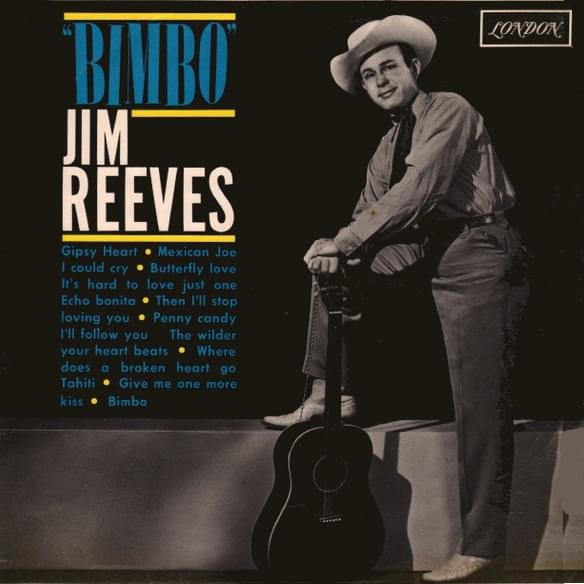
 View Artist