Song Meaning
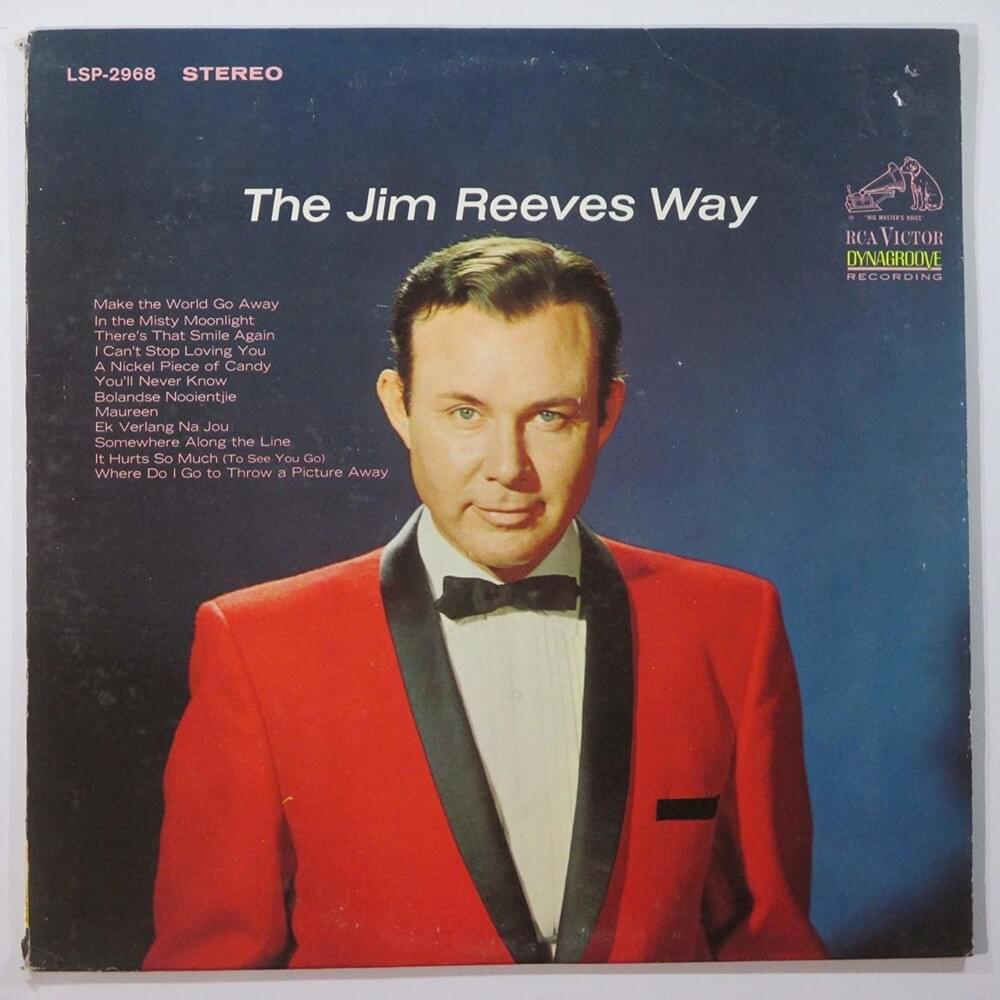
Jim Reeves's "I Can't Stop Loving You" isn't just a countrypolitan standard; it's a masterclass in melancholic resignation. The song's core isn't simply heartbreak, but the stubborn refusal to move beyond it. The speaker isn't actively fighting for lost love; instead, they've "made up [their] mind" to exist solely within its faded afterglow. This isn't a cry for help; it's a declaration of permanent, self-imposed emotional imprisonment. The song's genius lies in its quiet acceptance of this fate. There's a perverse comfort in choosing to dwell in "old lonesome time," a space where the past remains perpetually present. It's a shrine to what was, built from the bricks of what will never be again.
Reeves's delivery, smooth and unwavering, amplifies this sense of frozen grief. The lyrics hint at a futile struggle against the inevitable passage of time: "They say that time heals a broken heart / But time has stood still since we've been apart." This isn't merely sadness; it's a distortion of reality, where personal anguish warps the very fabric of existence. The repeated phrases, "I can't stop loving you," and "I can't stop wanting you," function less as passionate pleas and more as a mantra, a self-soothing, yet ultimately self-destructive, affirmation.
Ultimately, the song's enduring power stems from its unsettling honesty about the human capacity for emotional inertia. It's a portrait of someone not just grieving, but choosing to remain in a state of perpetual mourning. The "dreams of yesterday" aren't a temporary escape; they're the chosen landscape of the speaker's life. In a world that constantly urges us to move on, "I Can't Stop Loving You" offers a stark, and perhaps uncomfortable, acknowledgement of the times when we simply refuse to.
 View Artist