Song Meaning
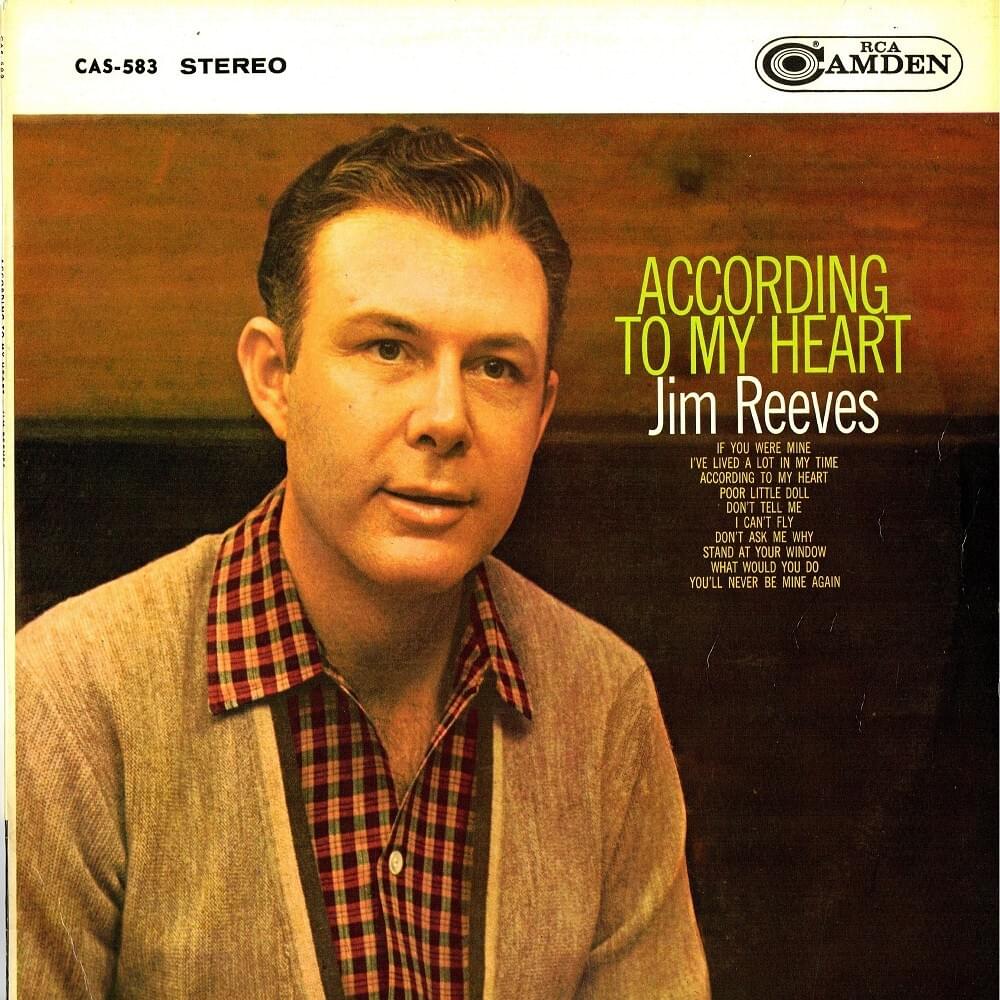
Jim Reeves's plaintive ballad, "I Can't Fly," is a masterclass in country music's capacity for raw emotional exposure. The song meaning orbits around the crushing weight of unattainable expectations within a romantic relationship. It's not merely a lament about imperfection; it's a stark portrayal of how relentless criticism and unrealistic ideals can suffocate love. Reeves doesn't shy away from laying bare his vulnerability. He confesses to striving to meet his partner's demands, only to be met with constant fault-finding. This dynamic, he suggests, isn't just disheartening – it's actively destructive. The repeated line, "You're looking for an angel, and I'm sorry I can't fly," serves as the song's tragic core. It's an admission of human limitation, a recognition that he can never measure up to the idealized image his partner holds. This lyric cleverly uses the metaphor of flight to represent perfection and transcendence, qualities the singer feels utterly incapable of achieving.
The undercurrent of "I Can't Fly" flows with the pain of unappreciated effort. Reeves sings of the agony caused by his partner's tendency to magnify his flaws. "Each little fault you find with me, you turn into a crime," he croons, painting a vivid picture of a relationship poisoned by hypercriticism. He doesn't deny his imperfections; rather, he mourns the lack of acceptance and understanding. The song subtly critiques the partner's "doubtful thoughts and jealousy" as the true culprits behind the demise of their love. It's a powerful indictment of how insecurity and unrealistic expectations can erode even the strongest bonds.
Ultimately, "I Can't Fly" transcends a simple tale of romantic failure. It speaks to the universal human desire for acceptance and the devastating impact of feeling perpetually inadequate. Reeves's gentle delivery and the song's melancholic melody amplify the sense of resignation and heartbreak. He anticipates his partner's continued search for an unattainable ideal, a "perfect guy" with "pretty" wings. The song's final lines are not bitter, but tinged with a profound sadness, recognizing the futility of trying to force oneself into a mold that simply doesn't fit. It's a poignant reflection on the human condition, and the often-painful gap between who we are and who others expect us to be.
 View Artist