Song Meaning
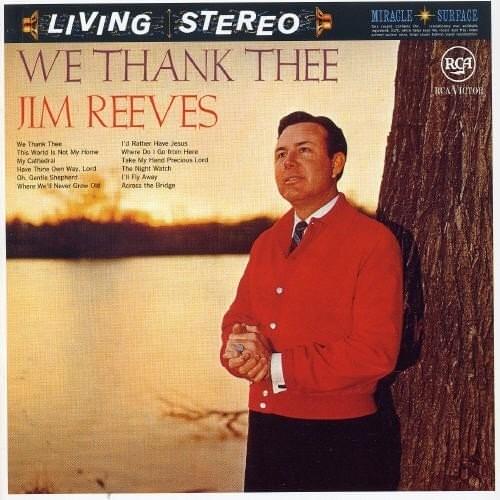
Jim Reeves's rendition of "Have Thine Own Way, Lord" isn't just a hymn; it's a stark psychological portrait of submission. The lyrics, steeped in religious metaphor, delve into the profound human desire to relinquish control. The central image of the potter and the clay is viscerally compelling. It speaks to a yearning for external guidance, a complete surrender of personal will in exchange for perceived perfection. Reeves's soothing baritone amplifies the sense of tranquility sought in this act of self-effacement, but the underlying implications are complex. Is it faith or a deeper need for absolution that drives such a plea? The song doesn't shy away from demanding a complete overhaul of the self: "Mold me and make me after Thy will." This isn't gentle suggestion; it's a fervent request for transformation.
The repeated entreaty, "Have Thine own way, Lord!" becomes almost hypnotic, reflecting the potentially addictive nature of submission. The lyrics progress from a general plea for guidance to a more intense desire for purification: "Whiter than snow, Lord, wash me just now." This suggests a deep-seated feeling of unworthiness, a need to be cleansed and remade in a more acceptable image. The phrase hints at a psychological burden, the weight of perceived sin or inadequacy that the speaker seeks to alleviate through divine intervention. The act of bowing in His presence is not just reverence, it's a posture of complete vulnerability, a willingness to expose the self entirely.
Ultimately, “Have Thine Own Way, Lord” explores the tension between individual autonomy and the allure of surrendering to a higher power. The final verse pushes this further, expressing a desire for complete inhabitation: "Filled with Thy spirit 'till all can see / Christ only, always, living in me." This isn't merely about seeking guidance; it's about erasing the self entirely, becoming a vessel for something greater. While presented within a religious framework, the song's underlying themes of control, transformation, and the search for meaning resonate far beyond the strictly devout, touching on universal human anxieties and aspirations.
 View Artist