Song Meaning
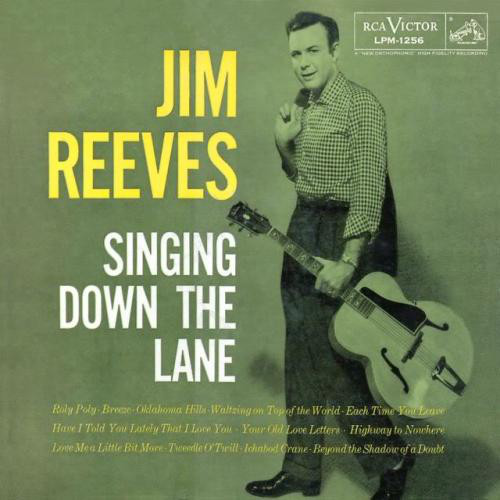
Jim Reeves's "Each Time You Leave" isn't just a countrypolitan ballad; it's a stark, almost theatrical exploration of dependency and the fear of abandonment. The repeated line, "Each time you leave I die a little," isn't mere hyperbole. It speaks to a profound psychological truth: the ego's fragility when intertwined with another person's presence. The singer isn't lamenting a temporary separation; he's describing a near-existential crisis triggered by the departure of his beloved. The almost desperate plea, "Hold me and say that you'll always stay," underscores this terror. It's the sound of someone pleading for reassurance against the void.
The song's simplicity is its strength. There are no complex metaphors or veiled allusions, only raw, unfiltered emotion. The repeated admission of foolishness, "Say I'm foolish if you will," suggests an awareness of the singer's own vulnerability, yet an inability to break free from it. This isn't a tale of romantic love as much as it is a portrait of emotional co-dependence. The singer's identity, his very sense of being, seems to hinge entirely on the presence of the other.
Consider the line, "I only live when you are near." It's a chillingly honest admission. It suggests that the singer doesn't merely love his partner; he requires her to validate his existence. The song's beauty lies in its unvarnished portrayal of this need, a need that many experience but few are willing to articulate so openly. Jim Reeves, through his affecting delivery, transforms personal vulnerability into a universally relatable experience, making "Each Time You Leave" a haunting meditation on love, loss, and the precarious nature of self.
 View Artist