Song Meaning
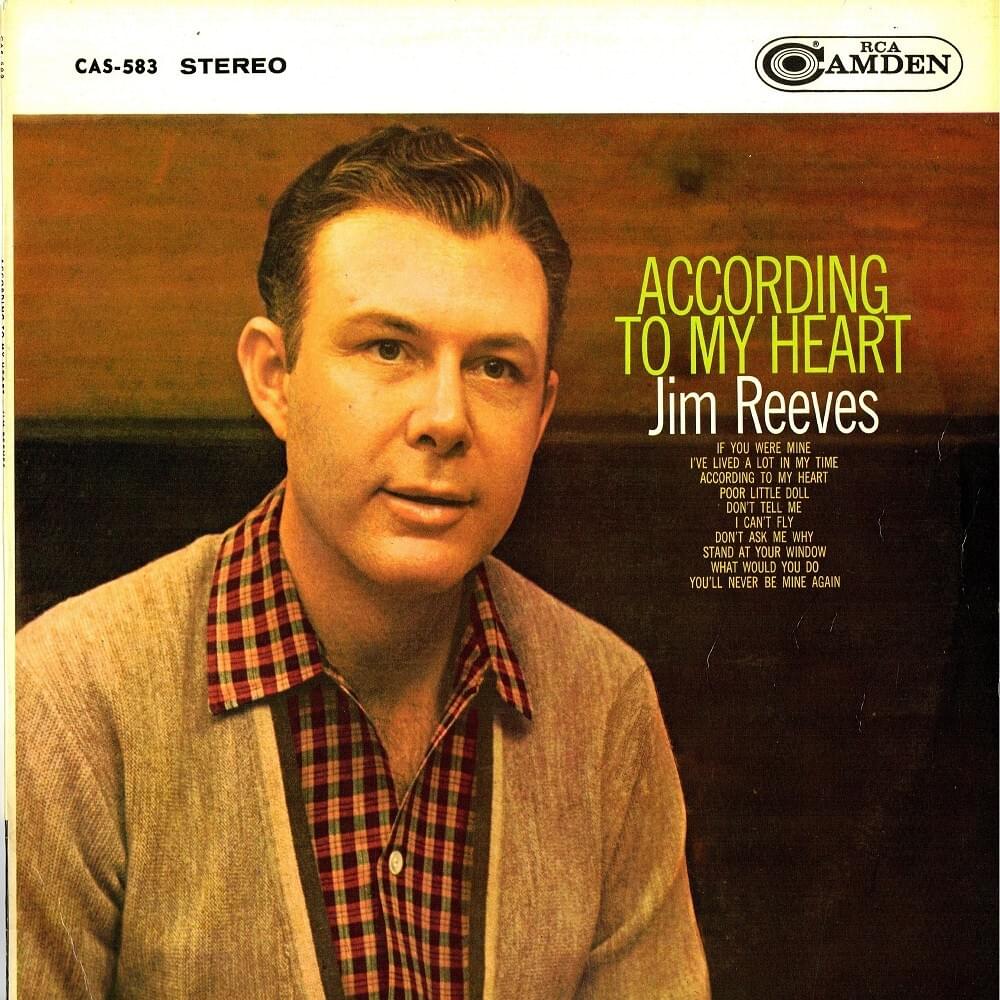
Jim Reeves's "Don't Ask Me Why" isn't just a countrypolitan ballad; it's a stark, almost unnerving, exploration of love's irrationality. The song meaning coils around a central paradox: the narrator's unwavering devotion to a woman who demonstrably mistreats him. He acknowledges her deceit, her "schemes and lies," and the "misery" she inflicts, yet his response is not anger or resentment, but a kind of helpless, almost pathetic, acceptance. The repeated plea, "Don't ask me why," isn't an invitation to understand, but a defense against the very possibility of logical explanation. It's as though he recognizes the absurdity of his situation but is utterly powerless to change it. This resonates with psychological concepts like learned helplessness, where repeated negative experiences lead to a sense of powerlessness and resignation.
The lyrics sidestep simple heartbreak, venturing into a darker territory of obsession. The lines "You might as well ask me why I breathe / Or why I live at all" elevate the woman's importance to the level of a primal need. His existence is contingent on her, even if that existence is defined by pain. This isn't romantic love; it's a dependency that borders on self-annihilation. The narrator isn't seeking pity or validation; he's simply stating a fact, a condition of his being. He's trapped in a cycle of abuse, not physical, but emotional, and he seems incapable of breaking free. The instrumental break offers no solace, only a continuation of the melancholic mood, underscoring the narrator's internal conflict.
Ultimately, "Don't Ask Me Why" isn't a celebration of love, but a chilling portrait of its darker side. It's a song about the ways in which love can warp perception, erode self-worth, and transform rational individuals into slaves of their own emotions. The power of Jim Reeves's performance lies in his ability to convey this sense of helplessness without resorting to melodrama. He sings with a quiet resignation that is far more disturbing than any histrionic display of grief. The song lingers in the mind, not as a romantic ballad, but as a cautionary tale about the destructive potential of unchecked devotion. It's a reminder that love, in its most extreme forms, can be a prison of our own making.
 View Artist