Song Meaning
Jim Reeves's "Dark Moon" isn't just a country ballad; it's a stark meditation on love's capacity for both brilliance and devastation. The moon, a celestial body typically associated with romance and illumination, becomes a symbol of faded glory, mirroring the narrator's internal state after losing a significant love. The recurring question posed to the "Dark Moon" – "Oh, tell me why you've lost your splendor" – is less a literal inquiry and more a projection of the singer's own bewilderment and pain. He sees his heartbreak reflected in the cosmos, a vast and indifferent universe echoing his personal loss. The dark moon lyrics become a mirror, reflecting a soul stripped bare. The song meaning lies in this potent symbolism.
The brilliance of "Dark Moon" lies in its simple yet profound connection between the macrocosm and the microcosm. The narrator isn't simply sad; he's experiencing a cosmic-level despair. This expands the emotional landscape of the song beyond a typical breakup narrative, elevating it to a universal lament about the fragility of happiness and the inevitability of suffering. Reeves's delivery, smooth and melancholic, amplifies this sense of cosmic sorrow, drawing listeners into a shared experience of existential heartbreak. It touches on the human tendency to find patterns and meaning, even in the face of random events, projecting inner turmoil onto the external world.
Ultimately, "Dark Moon" serves as a poignant reminder that love, despite its "perfect schemes," can also usher in periods of profound darkness. The song’s cyclical structure, with the repeated questioning of the moon, underscores the feeling of being trapped in a loop of grief, unable to find solace or understanding. The song's enduring appeal rests on its ability to tap into this universal human experience, offering a somber yet beautiful acknowledgement of love's inherent risks and the lasting impact of loss.
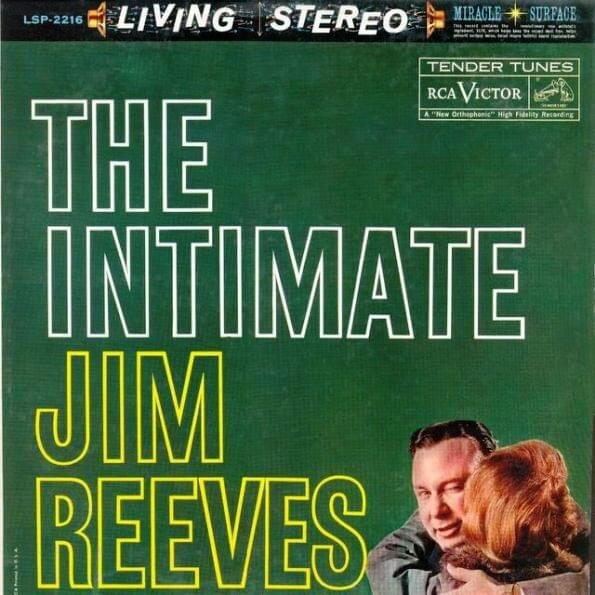
 View Artist