Song Meaning
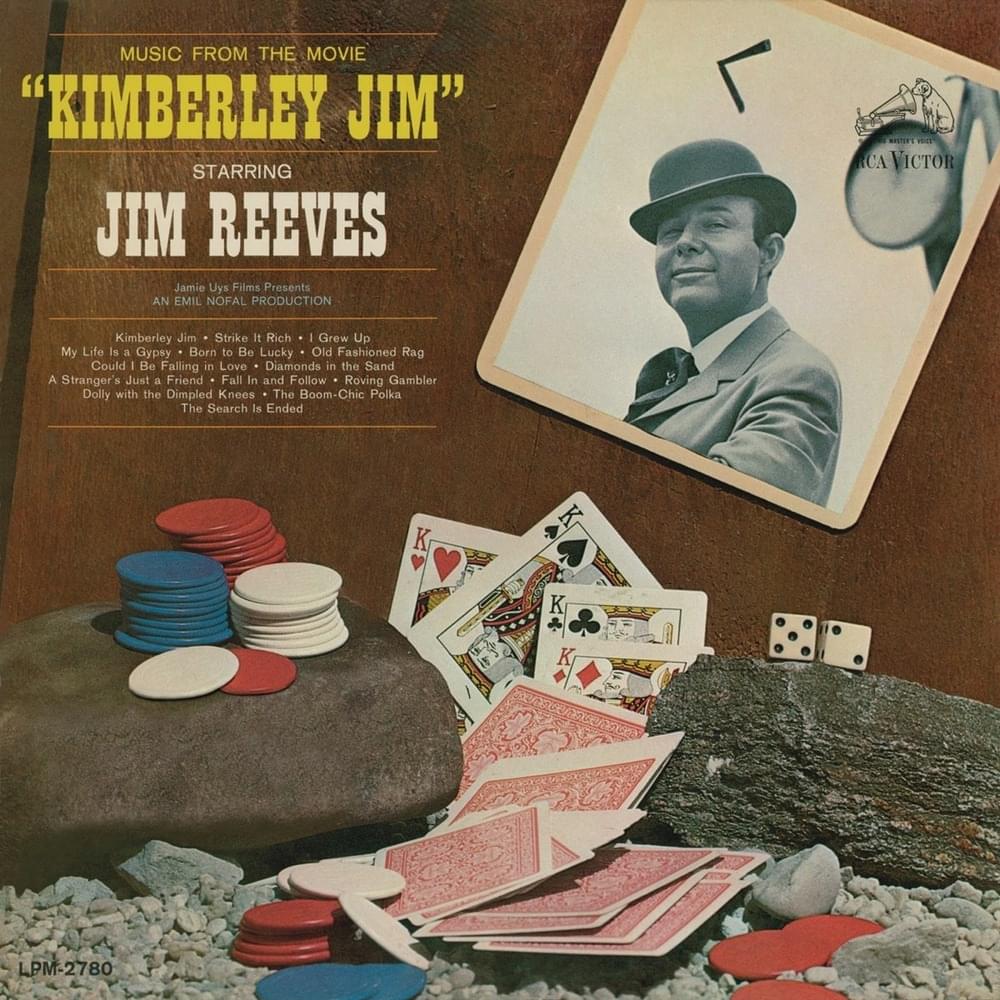
Jim Reeves' "Born to Be Lucky" isn't a complex lyrical tapestry, but its repetitive simplicity drills into something primal: the human craving for control, or at least the *illusion* of it. The song meaning hinges on the self-assured mantra of 'Lucky Jim from Tennessee,' a man who seemingly attributes his fortunate existence to inherent luck rather than external factors. This declaration serves as both a personal affirmation and a projected image, reinforcing his identity as someone touched by fortune's hand. The repeated phrase "born to be lucky" acts as a self-fulfilling prophecy, a way of framing his experiences to validate his sense of inherent privilege. There's a subtle performative aspect to this luck; it's not just felt, it's *proclaimed* – almost as if saying it enough makes it true.
The gambling motif is central to understanding the song's deeper anxieties. The lyrics repeatedly link his luck to being a "gamblin' man," hinting at a willingness to take risks and a belief in his ability to beat the odds. This connection could be interpreted as a metaphor for life itself, where every decision is a gamble with uncertain outcomes. By embracing the identity of a lucky gambler, Jim attempts to exert control over the chaotic nature of existence, transforming uncertainty into a game he believes he's destined to win. The mention of being "lucky in a country, white and free" introduces a layer of socio-political context, suggesting that his perceived luck is also tied to his position within a specific societal structure.
Ultimately, "Born to Be Lucky" explores the human desire to find meaning and order in a world often defined by randomness. Jim Reeves' portrayal of 'Lucky Jim' reveals a character who actively constructs his own narrative of fortune, blurring the line between genuine luck and carefully cultivated self-perception. The song cleverly taps into the psychology of optimism and self-belief, prompting us to question the extent to which we shape our own destinies, or simply convince ourselves that we do.
 View Artist