Song Meaning
Jim Reeves' "Pianetics" isn't just a country hymn; it's a stark portrait of faith as a survival mechanism. The song meaning hinges on the contrast between material poverty and spiritual wealth. Reeves paints a picture of destitution: a dilapidated house, meager possessions, failing crops. Yet, these hardships are not a lament but a foundation for unwavering belief. The "Holy Bible that ma left to me" becomes more valuable than any earthly treasure. It's a psychology of hope, where faith fills the void created by material lack. Reeves isn't simply accepting his fate; he's actively choosing a narrative where earthly suffering is a temporary state, overshadowed by the promise of an eternal home. The "friends have gold, yet they are sad" is a classic country trope, but here, it's elevated by the sheer force of Reeves' conviction. He's not just saying money can't buy happiness; he's asserting that spiritual contentment renders material wealth irrelevant.
The lyrics analysis reveals a deep connection between faith and resilience. The repeated line "I know my home's beyond the clouds" serves as both a mantra and an escape. The image of a home in heaven offers solace from the harsh realities of his earthly existence. Even his "old hound dog" shares this longing, suggesting a universal yearning for something beyond the physical world. This isn't a passive resignation to fate, but an active construction of meaning in the face of hardship. The song subtly acknowledges the pain of poverty – the leaking roof, the thin shoes, the failing crops – but reframes these struggles as trials to be endured on the path to salvation.
Ultimately, "Pianetics" is a powerful testament to the human capacity for hope. It's a song about finding strength in faith when earthly comforts are absent. The simplicity of the lyrics, combined with Reeves' sincere delivery, creates a sense of authenticity that resonates deeply. It's a reminder that even in the darkest of times, the human spirit can find solace and meaning in something beyond the tangible world. The song's enduring appeal lies in its ability to tap into this universal human need for hope and transcendence.
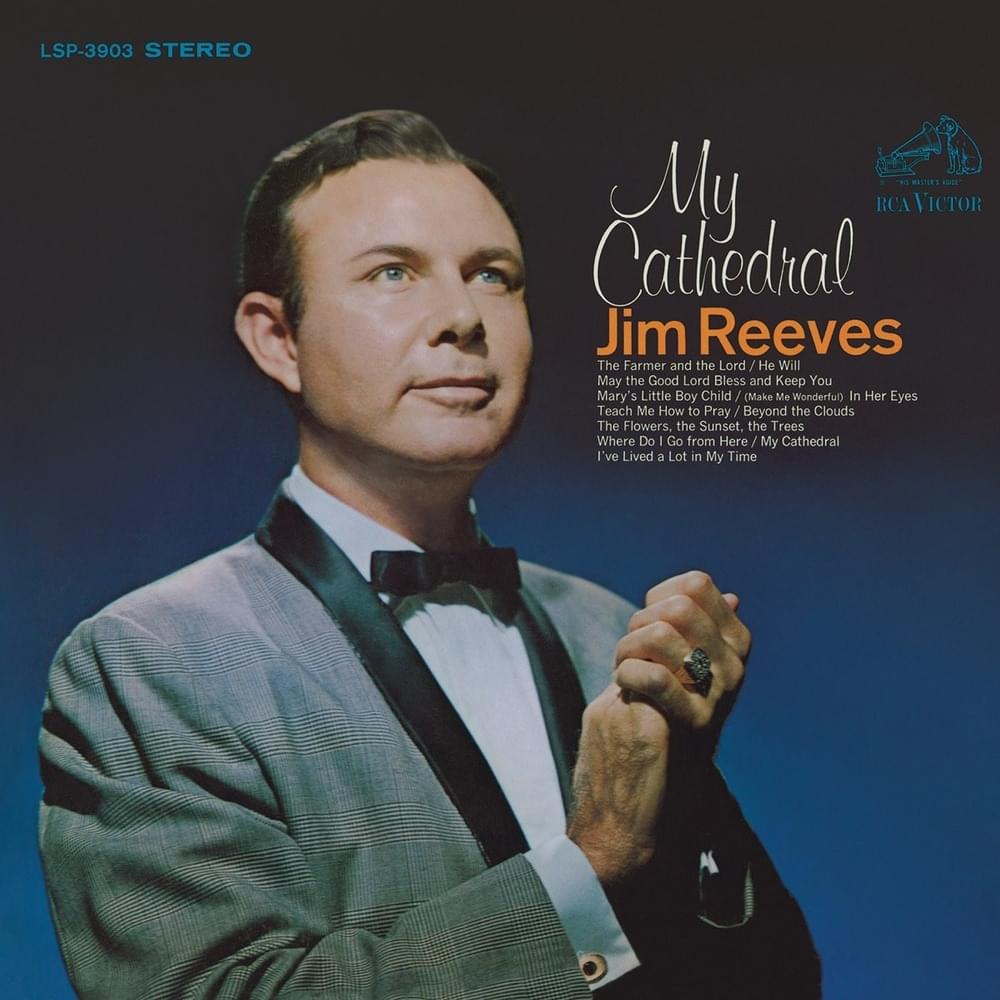
 View Artist