Song Meaning
The lyrics paint a stark picture of someone trapped in a cycle of self-imposed misery and inaction. The opening lines, "Sitting in your room, plotting disasters / Yeah, solemn stuff, no time for laughter," immediately establish a tone of deep negativity, where even simple joy is absent. This internal paralysis is further emphasized by the narrator's observation that the subject "just can't see" beyond their own despair, feeling utterly alone in their "misery."
The core tension arises from this profound inertia versus the urgent, almost desperate, call to action. The repeated refrains – "You got to move / Nobody's gonna move you / Till you move somebody," and the parallel "You got to love / Nobody's gonna love you / Till you love, too" – highlight a crucial paradox. The lyrics suggest that external change or connection is contingent on internal initiative; no one will push you until you push yourself, and love won't be reciprocated until it's first given.
The writing effectively uses contrasting imagery and a sense of escalating internal chaos. Phrases like "Paranoia in your drawers" and "Conjuncting hassles from the stars" create a feeling of overwhelming, almost cosmic, dread that mirrors the subject's internal state. The shift from the self-pity of "Oh, golly gee, woe is me" to the imperative "You got to live" is jarring, forcing a confrontation with the need for active engagement with life.
Ultimately, the effectiveness of these lyrics lies in their direct, almost blunt, articulation of a universal struggle against apathy. The simple, declarative structure of the chorus, coupled with the vivid, if bleak, internal landscape, makes the plea for action feel both personal and universally resonant. The final, defiant affirmation, "You can bet your sweet life I do," followed by the repeated command "You got to live," leaves the listener with a sense of earned, albeit hard-won, resolve.
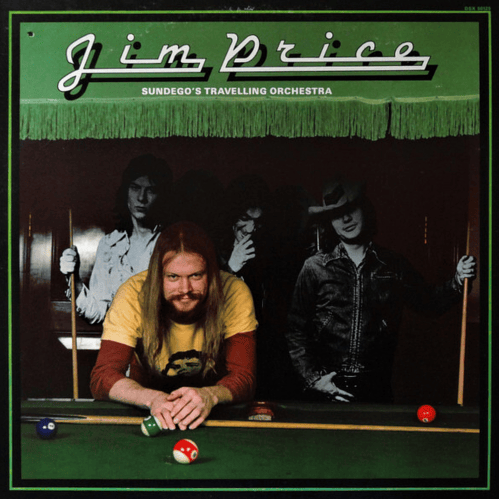
 View Artist