Song Meaning
The lyrics present a cynical take on authenticity, suggesting it's achievable through external validation and material wealth. Initially, "realness" is linked to creative "magic" and being "in the flow," implying an organic, genuine state. However, this is immediately undercut by the second verse, which equates being "so real" with having "enough to spend" and the ability to "purchase things," directly contrasting the earlier notion of intrinsic value with a transactional one. This shift implies that true authenticity, in this world, is a commodity that can be bought.
The central tension arises from this juxtaposition of effortless creation and material acquisition as paths to the same feeling of "realness." The repeated refrain, "You will never pay your vow," hammers home a sense of broken promises or an inability to commit to genuine principles. It suggests that the pursuit of this manufactured "realness" inherently involves a betrayal of deeper commitments, whether to oneself or to others. The vow, a symbol of earnest intention, becomes impossible to uphold when authenticity is defined by fleeting external factors.
The most striking element is the stark contrast between the aspirational language of "making magic" and the transactional directive to "purchase things." The lyrics seem to mock the idea that external success or possessions can confer genuine identity. The insistent repetition of the refrain, "You will never pay your vow," acts as a constant, almost taunting reminder of this inherent contradiction, highlighting the hollowness of a "realness" built on superficial foundations. The structure, cycling between these two verses and the refrain, reinforces the cyclical and ultimately unfulfilling nature of this pursuit.
Ultimately, these lyrics resonate because they tap into a pervasive anxiety about authenticity in a consumerist culture. The writing effectively uses simple, almost childlike language to deliver a sharp critique, making the listener question what it truly means to be "real" when the world offers so many tempting, yet ultimately hollow, alternatives. The effectiveness lies in its ability to expose the superficiality of external markers of success as substitutes for genuine selfhood, leaving a lingering sense of unease about the ease with which one can be misled.
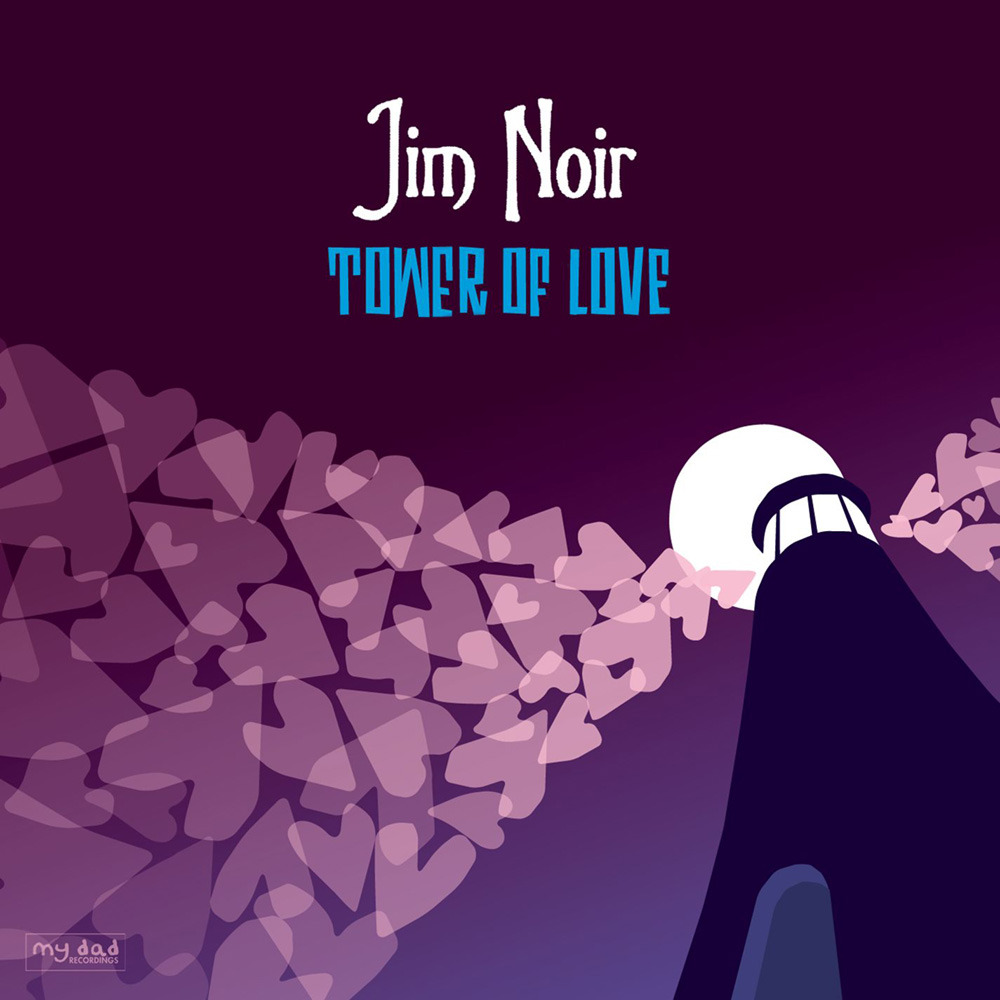
 View Artist