Song Meaning
The lyrics paint a surreal, almost Kafkaesque scene of an audience filing into a vast, silent auditorium for a show that's "not new." A "mindless voice" announces the imminent start, but the real hook is the implication that this "entertainment" is a re-run of the audience's own lives: "You've seen your birth your life and death." This immediately shifts the focus from passive viewing to an existential reckoning.
The central tension arises from the narrator's desperate desire to escape this predetermined loop. The question, "Did you have a good world when you died?" suggests a judgment or a final assessment of a life lived, and the narrator's immediate response, "I'm getting out of here," signals a rejection of this finality. The cryptic destination, "the other side of morning," and the plea "Please don't chase the clouds, pagodas," hint at a search for something beyond the mundane or the cyclical, a departure from the familiar, even the physically intimate, as suggested by the jarringly sensual line about "Her cunt gripped him like a warm, friendly hand."
The bridge introduces a chilling twist on social pressure and conformity. The assurance that "all your friends are here" is meant to be comforting, but the subsequent exchange reveals a sinister undertone. The offer of meeting friends is contingent on "eating," which is quickly corrected to "beaten." This implies that belonging or acceptance within this system requires suffering or subjugation, a brutal contrast to the initial promise of shared experience.
Ultimately, the lyrics' power lies in their unsettling blend of the mundane and the profound, using the familiar metaphor of a movie to explore themes of fate, memory, and the desire for liberation. The stark imagery, from the silent, vast hall to the "silvery scream," creates a disorienting yet compelling narrative that questions the nature of existence and the price of escape.
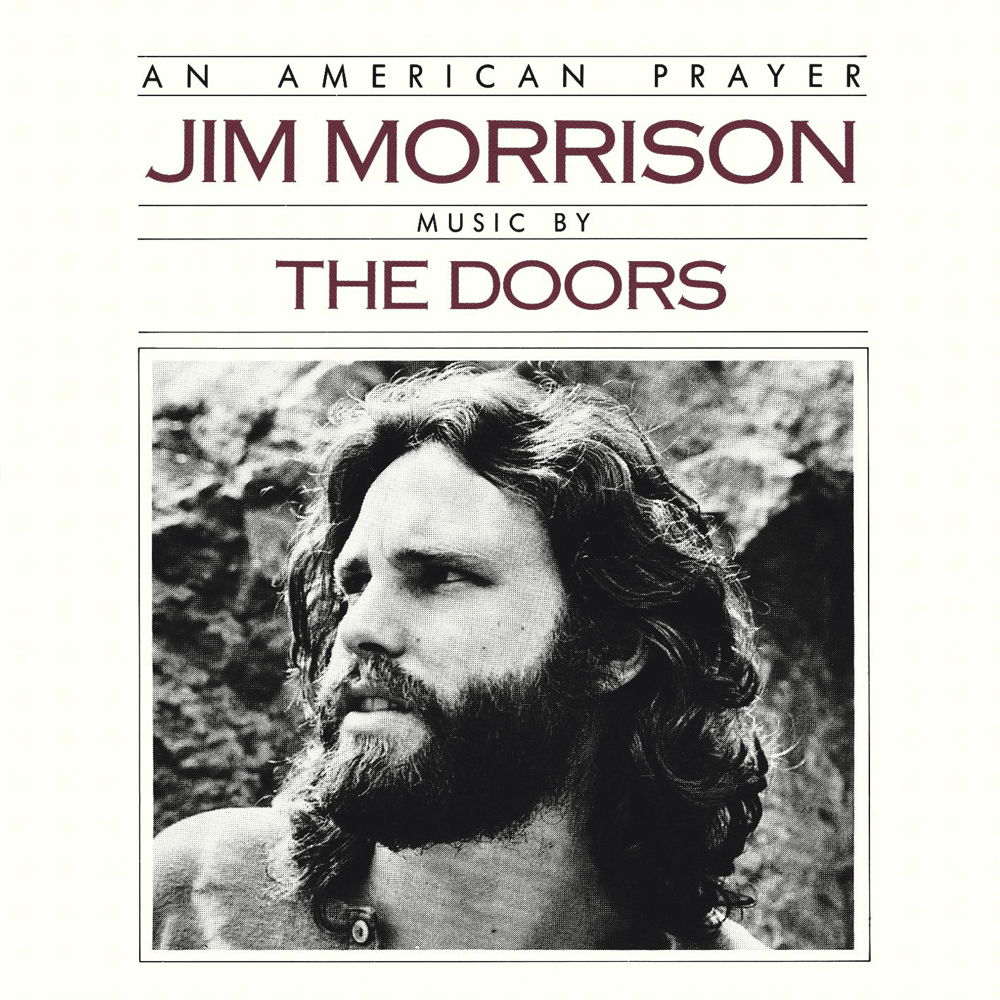
 View Artist