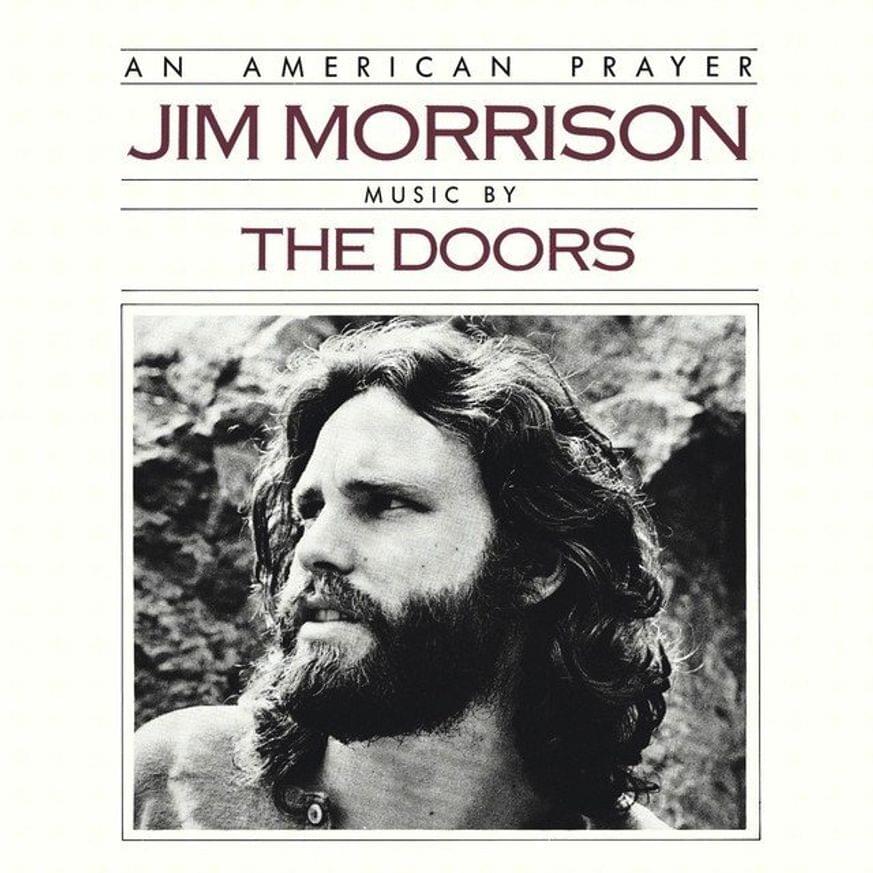
Song Meaning
Jim Morrison's "Latino Chrome" isn't a song so much as a fever dream, a fragmented snapshot of urban decay and predatory allure. The lyrics, stark and minimal, paint a lurid picture of desperation and danger lurking in the shadows. The opening lines, "My gang will get you / Scenes of rape in the arroyo," are a brutal announcement of territorial threat, a stark warning that pulls no punches. There's no romanticizing here, just the raw, unsettling suggestion of violence and violation. The subsequent images – "Seductions in cars, abandoned buildings / Fights at the food stand" – continue to build this sense of a world operating outside the bounds of conventional morality, a place where basic survival trumps any pretense of decency. It's a voyeuristic peek into a hidden underbelly, a world both repulsive and fascinating.
The second half of the lyrical content shifts into the voice of a hustler, a tempter offering illicit pleasures: "Hey man, you want girls, pills, grass? / Come on, I show you good time." This invitation, delivered with an oily charm, underscores the song's central theme of temptation and the ever-present potential for exploitation. "This place has everything," the hustler promises, but the 'everything' on offer comes at a steep price, a price likely measured in personal safety and moral compromise. The repetition of "Come on, I show you" takes on a sinister tone, hinting at the irreversible consequences of crossing the threshold into this dangerous world.
Ultimately, "Latino Chrome" functions as a cautionary tale, a glimpse into the dark heart of societal fringes. Morrison isn't celebrating this world; he's exposing it, forcing the listener to confront the uncomfortable realities of urban existence. The song's power lies in its fragmented nature, its refusal to offer easy answers or moral judgments. Instead, it presents a series of unsettling images and leaves it to the listener to grapple with their implications, forcing them to consider the seductive and destructive forces at play in the shadows of the city. The lack of narrative closure only amplifies the sense of unease, leaving the listener trapped in a perpetual state of anxious anticipation.