Song Meaning
The lyrics present a poignant, almost melancholic, contemplation of a loved one's perceived imperfections. The opening lines immediately establish a tone of gentle, questioning affection, asking if the subject's features are truly as they appear. This sets up a dynamic where beauty is not taken for granted but rather examined and, in a way, validated through this very scrutiny.
The central tension arises from the narrator's persistent questioning of conventional attractiveness versus a deeper, perhaps more genuine, form of love. Phrases like "don't change a hair for me" suggest an acceptance of the beloved as they are, even if that means acknowledging flaws. It's a quiet plea against the pressures of external validation, prioritizing an intimate understanding over superficial polish.
The repeated questioning, particularly around the eyes and smile, functions as a subtle insistence. It's not a demand for change, but rather a way of focusing on specific details that might otherwise be overlooked. This deliberate attention to the ordinary, the potentially "funny," elevates these features from mere physical attributes to cherished markers of individuality.
Ultimately, the effectiveness of these lyrics lies in their understated sincerity. The narrator isn't offering grand declarations but rather a quiet, almost hesitant, affirmation of love. This approach makes the affection feel earned and deeply personal, resonating because it acknowledges the complexities and quirks that define a real connection, rather than an idealized one.
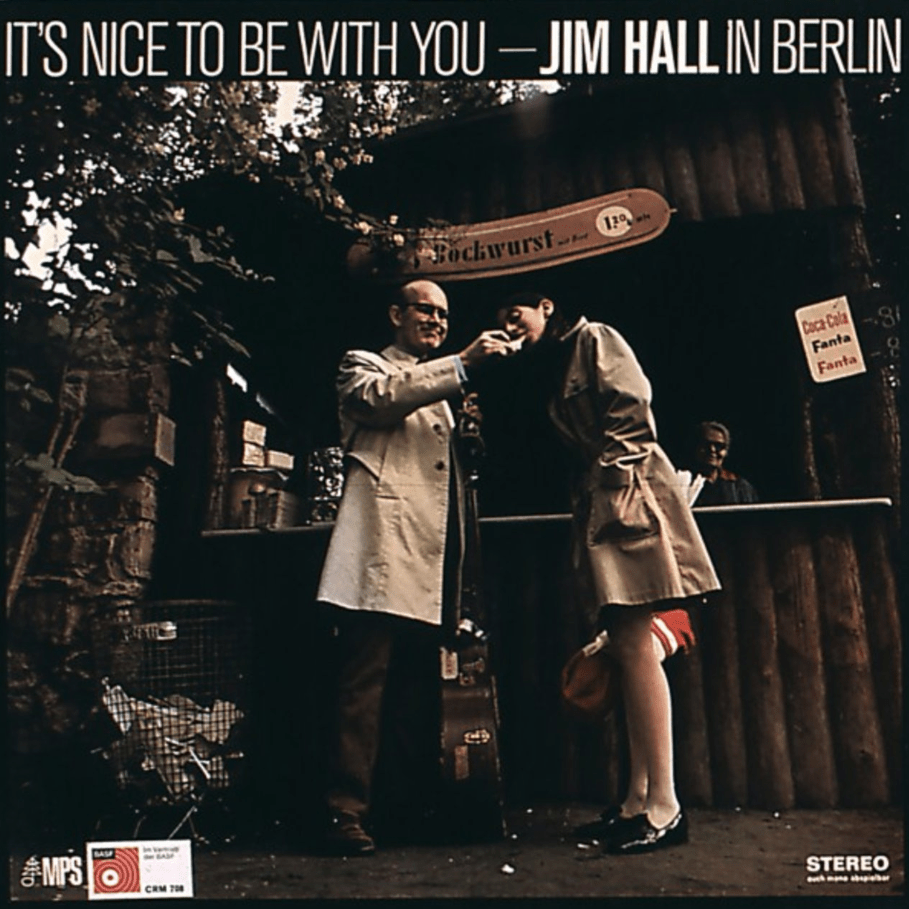
 View Artist