Song Meaning
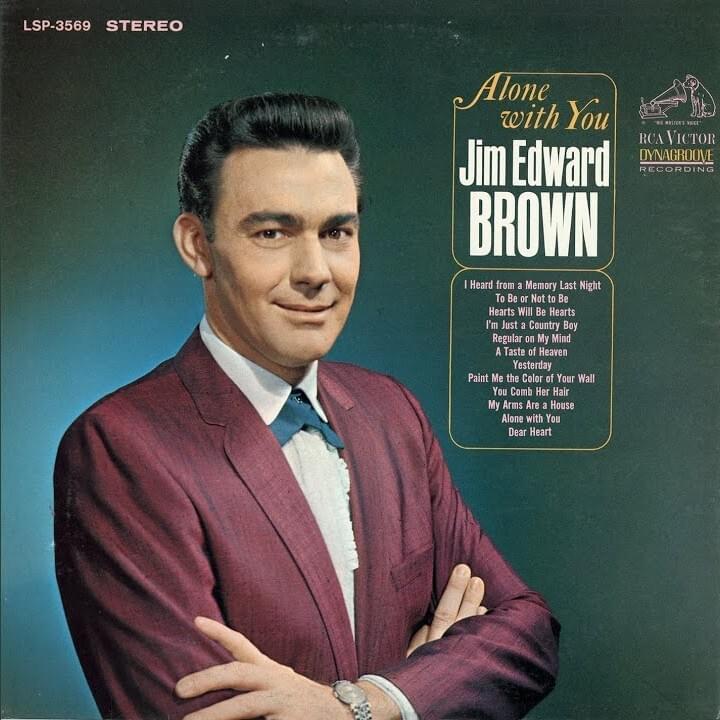
Jim Ed Brown's "Paint Me the Color of Your Wall" isn't just a countrypolitan plea; it's a masterclass in codependency, wrapped in a deceptively simple melody. The lyrics analysis reveals a narrator consumed by a sudden, almost desperate infatuation. The opening lines establish an immediate sense of displacement and longing, painting a picture of someone whose loneliness vanishes upon meeting this new figure. The metaphor of wine rushing to the head is potent, suggesting an intoxicating, perhaps even blinding, attraction that overrides rational thought. This isn't a slow burn; it's a full-blown, immediate engulfment. He's not just smitten; he's ready to become a fixture in her life, no matter how inanimate.
The chorus is where the song meaning truly solidifies into something profoundly unsettling. The repeated request to be "painted the color of your wall" is a stark image of self-effacement. It's not about partnership or equality; it's about assimilation, about becoming an unnoticeable, unquestioning part of the other person's environment. He desires to be relegated to the background, a silent observer, content merely to exist in her presence. The line "Stand me in a corner of your hall" further emphasizes this desire for subservience and diminishment of the self. He's willingly surrendering his identity for the sake of proximity.
The second verse underscores the narrator's awareness of the potential imbalance in the relationship. "I hope that you won't disagree / And in time your get used to me" betrays a deep-seated insecurity and a fear of rejection. He understands that his intense feelings might not be reciprocated, but he's willing to gamble on the possibility that his presence, however muted, will eventually become acceptable. The declaration of "love at first sight" is less a romantic affirmation and more a justification for his extreme behavior. Ultimately, "Paint Me the Color of Your Wall" isn't a love song; it's an anthem of obsession, a portrait of someone willing to sacrifice their very being for the illusion of connection.
 View Artist