Song Meaning
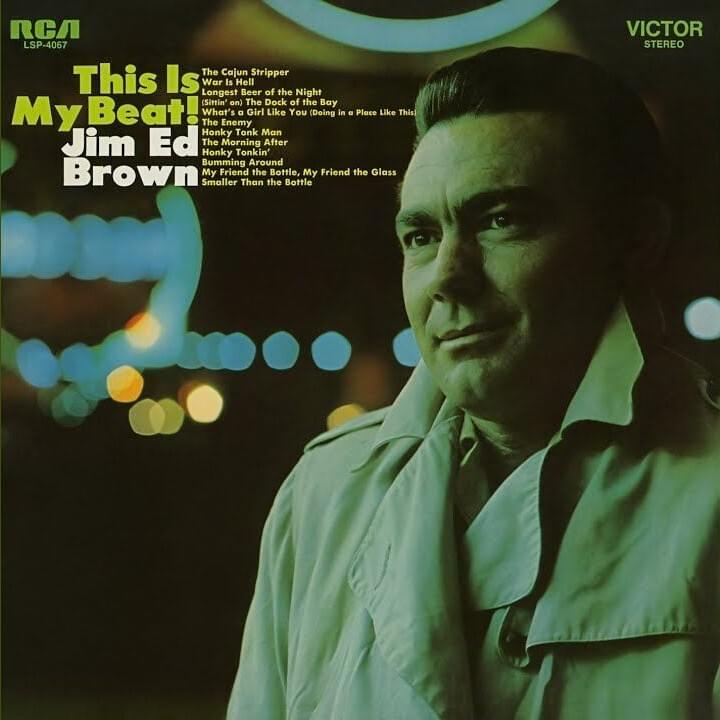
Jim Ed Brown's "My Friend the Bottle, My Friend the Glass" isn't just a lament; it’s a darkly ironic embrace of self-destruction disguised as newfound companionship. The song's core explores the seductive allure of addiction following heartbreak. It’s a classic country trope, but Brown imbues it with a particularly resigned and almost conversational tone, as if he’s explaining his choices rather than wallowing in them. The recurring lines, "My friend the bottle, my friend the glass," become less a statement of fact and more a mantra – a repeated justification for a path he knows is ultimately harmful. The genius in this song meaning lies in its simplicity.
The lyrics paint a stark picture of a man who, abandoned by a lover, turns to alcohol for solace. The bottle and the glass aren't merely symbols; they're personified as "kind" and supportive friends, a biting commentary on the distorted reality of addiction. The line, "They kept me going when I had to go," highlights the perceived necessity of alcohol to cope with the pain of loss. The singer acknowledges the temporary relief these "friends" provide, especially in the lines, "To ease my mind they give me blindness / So I can't see into the past." This hints at the psychological function of addiction: to numb painful memories and emotions.
However, the song subtly acknowledges the destructive nature of this relationship. The line, "Sometimes I think they're killing me with kindness," reveals a flicker of self-awareness, a recognition that the temporary comfort comes at a significant cost. The final verse, with the almost challenging invitation, "By now you too might like to meet them," suggests a complete surrender to the addiction, an attempt to normalize and even share his self-destructive coping mechanism. "My Friend the Bottle, My Friend the Glass" ultimately serves as a cautionary tale, a raw and honest portrayal of the seductive yet ultimately devastating consequences of seeking solace in a bottle.
 View Artist