Song Meaning
Jim Ed Brown's "I Heard from a Memory Last Night" isn't just a country ballad; it's a study in the intoxicating power of selective recollection and the dangerous allure of second chances. The song meaning hinges on the narrator's idealized vision of a past relationship, one where "the girl who is still in my heart" exists more vividly in memory than she likely did in reality. This isn't a simple tale of rekindled love; it's an exploration of how longing can warp our perception, turning a former flame into an "angel" who, against all odds, has seemingly forgiven past transgressions. The phrase "I heard from a memory" itself is telling, suggesting the narrator is communicating not with a real person, but with a carefully curated version of her that exists solely within his own mind. The danger, of course, lies in projecting this fantasy onto the real woman, setting the stage for inevitable disappointment.
The lyrics hint at a past marked by separation and, perhaps, the narrator's own failings. The lines, "Just that one word said as much / As a thousand could have / 'Cause the way she said it / I knew she had forgave me," are laden with unspoken history. What exactly needs forgiving remains unsaid, but the weight of the past is palpable. This isn't just about romantic reunion; it's about absolution, about the narrator seeking redemption in the arms of a woman he has elevated to almost mythical status. The simplicity of the melody underscores the deceptive ease with which we can rewrite our personal histories, casting ourselves as the heroes of our own narratives.
Ultimately, "I Heard from a Memory Last Night" leaves us with a sense of unease. The narrator's fervent desire to hold onto this second chance, to tell her "this time she'll have to stay," borders on desperation. The song's true subject isn't necessarily love, but rather the human tendency to cling to idealized versions of the past, even when those versions are fundamentally incompatible with the present. It's a cautionary tale about the seductive, yet ultimately destructive, power of nostalgia and the potential for self-deception when fueled by longing and the hope for redemption.
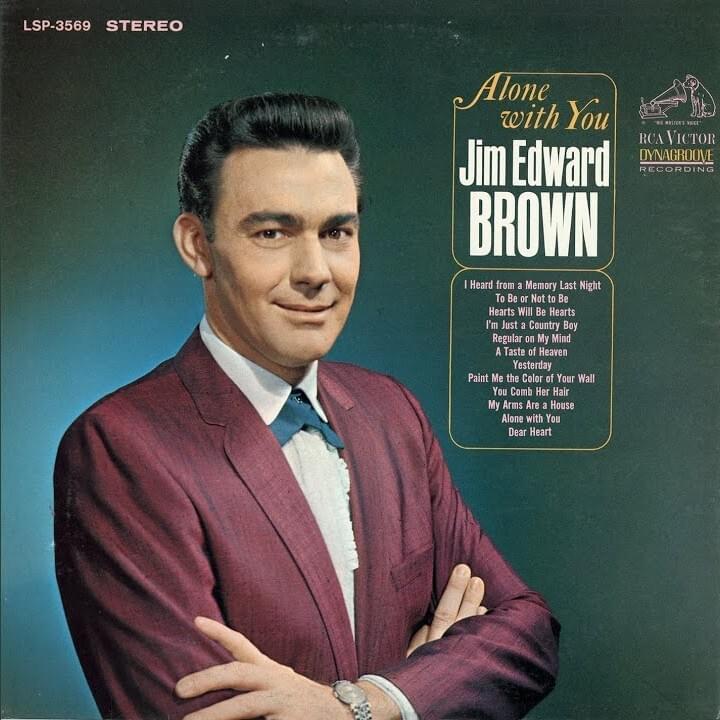
 View Artist