Song Meaning
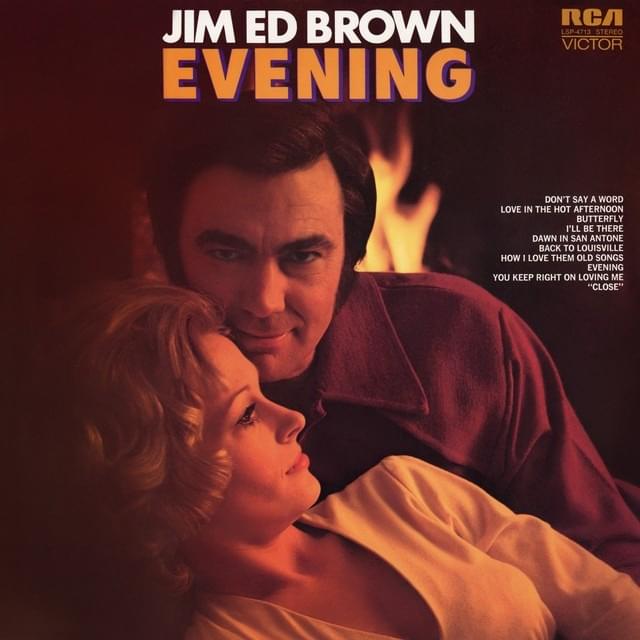
Jim Ed Brown's "How I Love Them Old Songs" isn't just a nostalgic country tune; it's a poignant reflection on memory, identity, and the bittersweet passage of time. The recurring phrase "Doggone my soul" isn't mere folksy charm; it's an invocation, a desperate attempt to reconcile the past with the present. The song's meaning lies in this tension: a man caught between the comfort of familiar melodies and the stark reality of a life irrevocably changed. The lyrics paint a vivid picture of a simpler, perhaps harder, existence – hardwood floors, outdoor toilets, mason jars – a world evoked by the "heart breaking aching eggs and bacon country songs." These songs aren't just entertainment; they're portals to a lost self.
Brown uses specific musical references, like the "double eagle guitar," to trigger vivid memories. It's not just about the sound, but the feeling of freedom and carefree joy associated with a particular time. However, the shadow of regret lingers. The lines about spending nights in bars and playing the jukebox until closing suggest a period of hardship or recklessness. The "old songs" become a refuge, a way to revisit those times without fully reliving them. The repetition of "the dancing stops but the music goes on" is key to understanding the song's core message. Life's vibrant moments fade, but the emotional resonance of music persists, offering solace and a reminder of who we once were.
The line "Doggone my mind just won't leave me alone" reveals the psychological weight of these memories. The past is not just a pleasant recollection; it's a persistent presence that shapes the present. The longing for "home" suggests a deeper yearning for belonging and a sense of rootedness. The final verse acknowledges the difficulty in accepting that the "hard knocking, rock and rolling life" is gone, but there's also a sense of acceptance. The music, and the memories it evokes, provide a continuity, a way to connect with the past while moving forward. The simple request to "play one of them old songs" is ultimately a plea for connection, for comfort, and for a reminder of what it means to be human.
 View Artist