Song Meaning
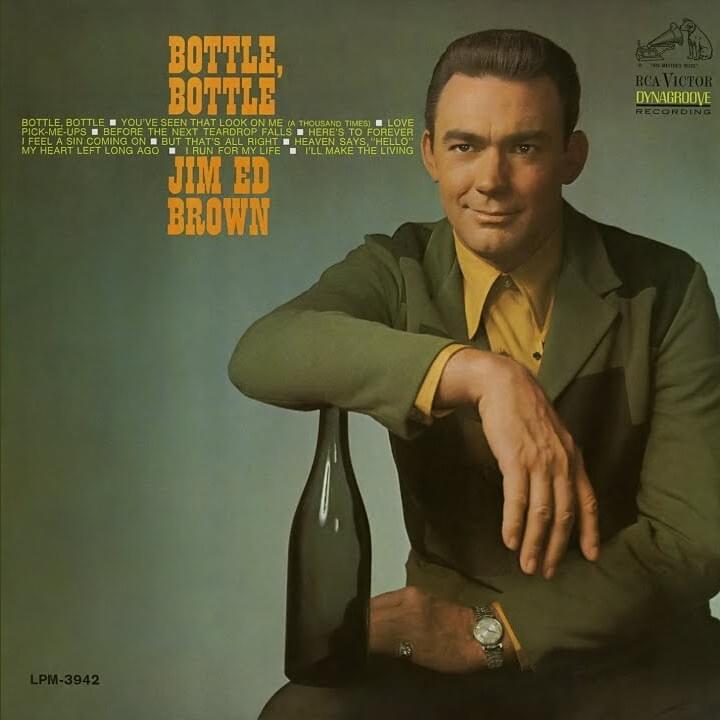
Jim Ed Brown's "Bottle, Bottle" isn't just another country lament; it's a stark, unvarnished portrait of dependency, cleverly masked as a love song. The object of affection isn't a person, but a bottle – presumably of whiskey or some other spirit – and the lyrics lay bare the singer's reliance on it to navigate a world shattered by heartbreak. The opening verses, with lines like "Amazed by the beauty at my fingertips" and "Awed by the softness and warmth of your touch," initially suggest a romantic encounter, a newfound infatuation. However, the repeated plea, "Bottle, bottle, why do I love you so much?" hints at something far more complex and troubling. It's not love, but a desperate need, a yearning for oblivion.
The song's core lies in its exploration of pain avoidance. The bottle provides "the strength to go on day to day" and helps keep "the mem'ries of a lost love away." The lyrics analysis reveals the bottle as a crutch, a substitute for genuine healing. The lost love has left the singer "crippled," and rather than confronting the pain, he seeks solace in the temporary numbness offered by the bottle. This speaks to a deeper psychological truth: the allure of addiction often stems from a desire to escape emotional discomfort, to self-medicate against the wounds of the past. The "warmth and beauty" of the bottle become a dangerous illusion, a fleeting escape from the reality of his suffering.
Ultimately, "Bottle, Bottle" is a confession of powerlessness. The singer acknowledges his dependence, pleading with the bottle to "please don't let me down" and to "fight off the feeling that's always around." This feeling is likely the underlying sadness, the emptiness that the bottle temporarily fills. The final lines, "Fill me with contentment and hold to my hand / And bottle, bottle, I'll be in your command..." are a surrender, an admission that the bottle controls him. The song's genius lies in its simple, direct language and its unflinching portrayal of addiction, transforming a common country trope into a haunting exploration of human vulnerability and the seductive power of self-destruction. It's not just about drinking; it's about the void within, and the lengths we go to avoid facing it.
 View Artist