Song Meaning
The narrator is deeply entrenched in self-sufficiency, a state they've cultivated for a long time. They describe a cycle of self-care and self-soothing: holding themselves, pulling themselves out of trouble, rocking themselves, and finally falling asleep. This isn't just about being alone; it's about a deliberate, almost militant, independence where the self is the sole provider of comfort and resolution.
This internal solitude is disrupted by the thought of another person, a "you." This "you" is elevated, treated with reverence and exclamation, even addressed with the formal "vous." The contrast between the narrator's self-address ("tu") and their address to this other person ("vous") highlights a profound admiration and perhaps a distance. It suggests a longing for an external source of validation or connection that the narrator's self-contained world cannot provide.
The core tension arises when the narrator attempts to bridge this gap, to "hyphenate" the "us." This act of unification is jarring, waking them from their self-imposed slumber. The immediate reaction is to "minuscule" themselves, to shrink back into their solitary state, and fall asleep again. It seems the idea of a shared identity, of "us," is too destabilizing for the narrator's carefully constructed self-reliance.
This lyrical structure powerfully illustrates the difficulty of genuine connection when one is accustomed to absolute self-governance. The repeated self-addressing verbs create a sense of a closed loop, while the introduction of "you" and the failed attempt at "us" reveal the fragile boundary of that loop. The final "Point" acts as a definitive end, a return to the solitary state, emphasizing the narrator's ultimate retreat into themselves.
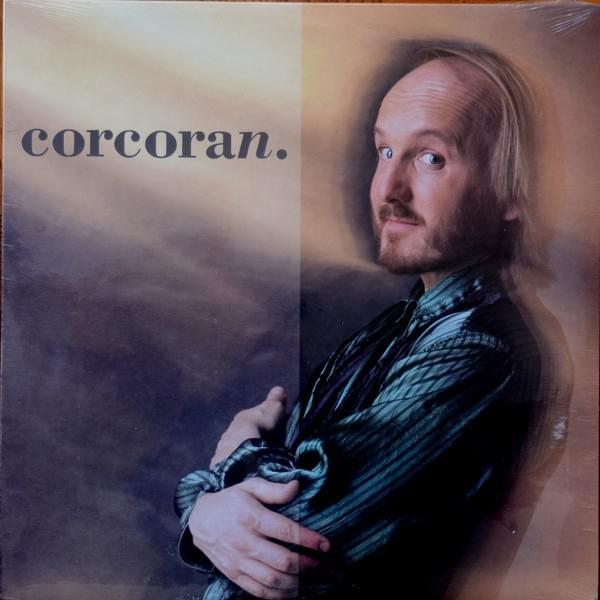
 View Artist