Song Meaning
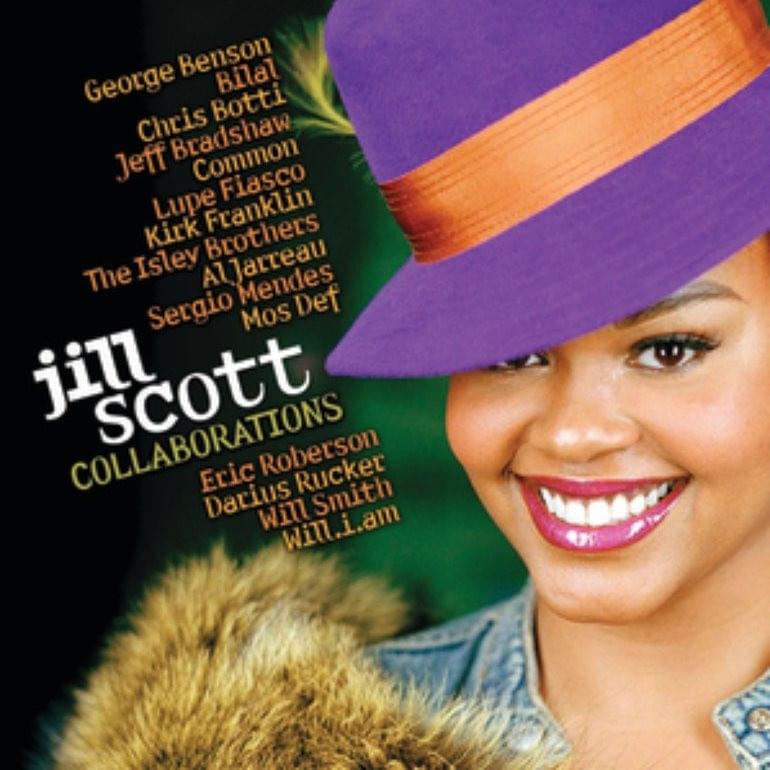
Jill Scott's rendition of "God Bless The Child," featuring Al Jarreau and George Benson, isn't merely a cover; it's a soulful reimagining of Billie Holiday's stark commentary on economic disparity and self-reliance. Scott's interpretation, steeped in her signature blend of jazz, R&B, and spoken word, layers a contemporary understanding onto Holiday's original lament. The song’s central thesis, that those who possess will receive even more while the vulnerable are left behind, echoes through the ages. It speaks to the inherent inequalities baked into societal structures, where wealth begets wealth, and poverty often becomes a self-perpetuating cycle. The opening lines, referencing biblical themes of gain and loss, immediately establish a sense of fate and predetermination, suggesting that one's circumstances are almost divinely ordained.
The repeated refrain, "Momma may have / Poppa may have / But God bless the child / That's got his own," underscores the importance of self-sufficiency in a world that often fails to provide a safety net. It's a pragmatic, albeit somewhat cynical, perspective on family support and the fleeting nature of generosity. The lyrics paint a picture of fair-weather friends drawn to money and relatives offering only meager assistance, reinforcing the idea that true security lies in one's own ability to provide. This resonates deeply within a culture often obsessed with upward mobility and individual achievement, hinting at the psychological toll of navigating a system that rewards those already privileged.
While Holiday's version is raw and filled with world-weariness, Scott infuses the song with a sense of resilience and empowerment. The layered harmonies and instrumental arrangements create a feeling of communal strength, as if acknowledging the harsh realities of the world while simultaneously offering a message of hope and self-determination. "God Bless The Child," in Scott's hands, becomes less a dirge and more an anthem—a call to cultivate inner resources and navigate the complexities of life with self-reliance and grace. The song meaning ultimately rests on the idea that while external support may be unreliable, the strength within oneself is an enduring source of power.