Song Meaning
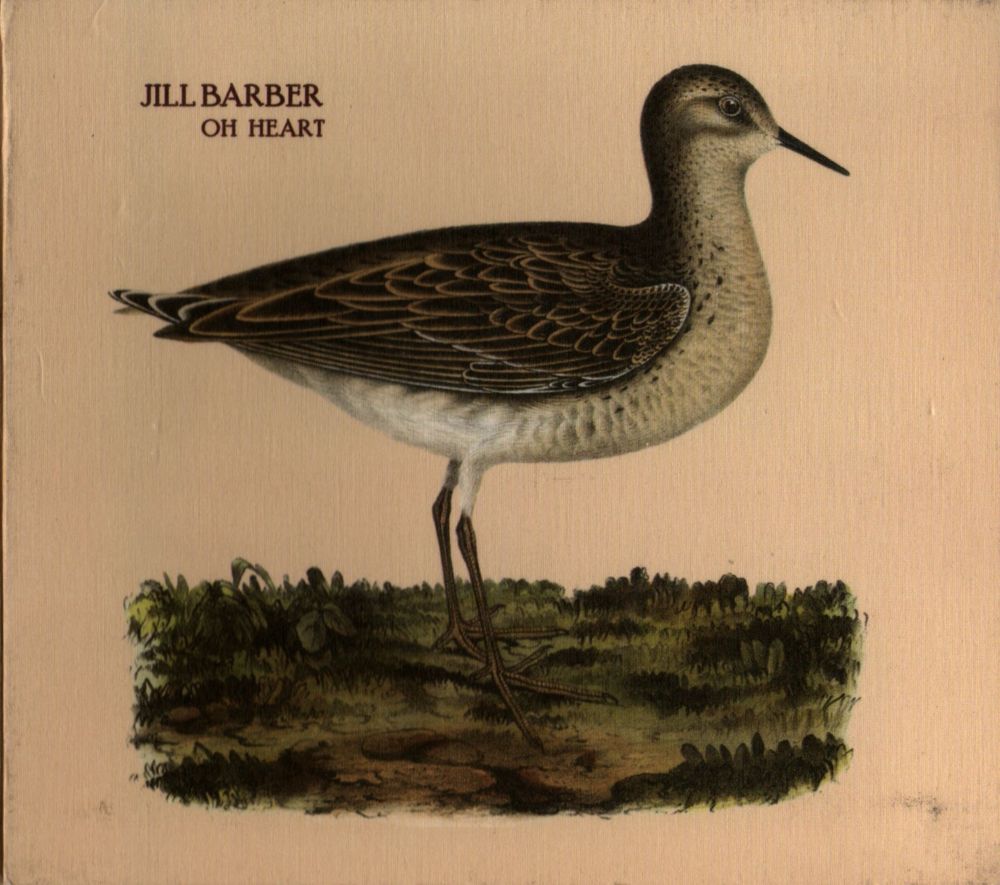
Jill Barber's "Oh Heart" isn't just a song; it's an internal dialogue, a fraught conversation with one's own emotional core. The lyrics paint a picture of a heart struggling, its "signal breaking apart," suggesting emotional exhaustion or a disconnect from the clarity of feeling once readily available. This isn't a sudden break, but a gradual fading, a sense that "the lines" of emotional understanding, once so clear, are now slipping away. The plea to "wind you back up / just to keep you in time" speaks to a desperate attempt to reignite the passion or emotional stability that has waned. It's a relatable sentiment for anyone who's felt their emotional compass spinning. The repeated references to time and rhythm highlight the heart's fundamental role in dictating the pace and quality of life itself. The yearning for "those bells as they chimed / Every hour on the hour" evokes a longing for a simpler, more predictable emotional landscape.
The song then shifts to a more pragmatic, almost managerial approach to the ailing heart. The lines "They say all is fair in love / So I'm just playing fair / But there's no guarantee against injury" acknowledge the inherent risks of emotional investment. There's a weariness here, a sense that despite best efforts, the heart is in need of "repair." The decision to sideline the heart, to give it "a little space," isn't presented as an act of cruelty, but of necessary self-preservation. It suggests a recognition that sometimes, stepping back from intense emotional engagement is the only way to prevent further damage. The repeated reassurance that "you're gonna be fine" feels like an attempt to convince both the heart and oneself that this emotional timeout is ultimately beneficial.
Ultimately, the song meaning lies in its portrayal of the complex, often contradictory relationship we have with our own emotions. It's about acknowledging vulnerability, fatigue, and the need for self-care without succumbing to despair. The final verses, with the lines "I'm not calling defeat / I'll sing the songs / And you keep the beat," offer a glimmer of hope. Even with the heart taking a backseat, the possibility of harmony remains. The singer will continue to provide the melody, the emotional expression, while the heart maintains the essential rhythm of life. This signifies a reconfigured, rather than a broken, partnership, suggesting that emotional well-being can be found not in constant intensity, but in a sustainable, balanced collaboration between mind and heart.
 View Artist