Song Meaning
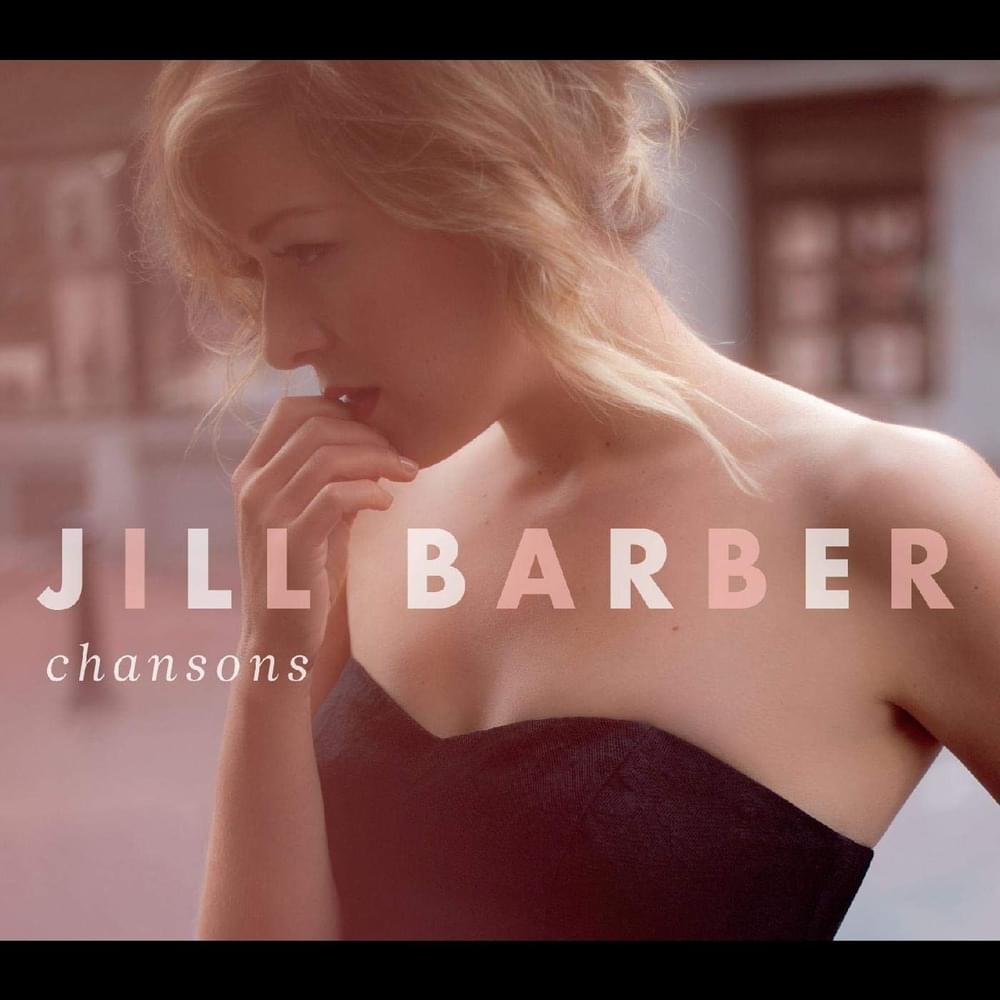
Jill Barber's rendition of "La Javanaise" carries the wistful air of a fleeting romance, all wrapped up in the bittersweet elegance of a Parisian dance. The lyrics, simple yet profound, speak of a love found and perhaps lost, all within the space of a song. It's a miniature portrait of an affair, painted with the colors of regret and acceptance. The repeated phrase, "Ne vous déplaise, en dansant la Javanaise, nous nous aimions, le temps d'une chanson" acts as both a chorus and a lament, emphasizing the ephemeral nature of the connection. The Javanaise, a dance, becomes a metaphor for the relationship itself: beautiful, passionate, but ultimately temporary. The singer acknowledges the pain she endured before finding this love, and the realization that life is not worth living without it, even if it was fleeting. There's a subtle accusation in the line "Mais c'est vous qui l'avez voulu, mon amour," suggesting that the end of the romance was not her choice. Yet, there's also a sense of resignation, a quiet understanding that some loves are simply meant to be brief.
The song's melancholy beauty lies in its ability to evoke a sense of nostalgia for something that may have never truly been. The singer questions what they truly saw of love during their time together, hinting at the possibility that it was more an illusion than a reality. Yet, the impact was real, and the memory lingers. The repetition of the phrase "le temps d'une chanson" underscores the feeling that their love was something beautiful but brief, like a perfect song that ends too soon. It captures the ache of knowing that some experiences, however profound, are destined to be temporary.
Ultimately, "La Javanaise," as performed by Jill Barber, is a poignant reflection on the transient nature of love and the enduring power of memory. It speaks to the universal human experience of finding solace and connection, however brief, in a world that often feels isolating. The song's meaning resides not just in the words but in the spaces between them, in the unspoken feelings of longing and acceptance that resonate long after the music fades.
 View Artist