Song Meaning
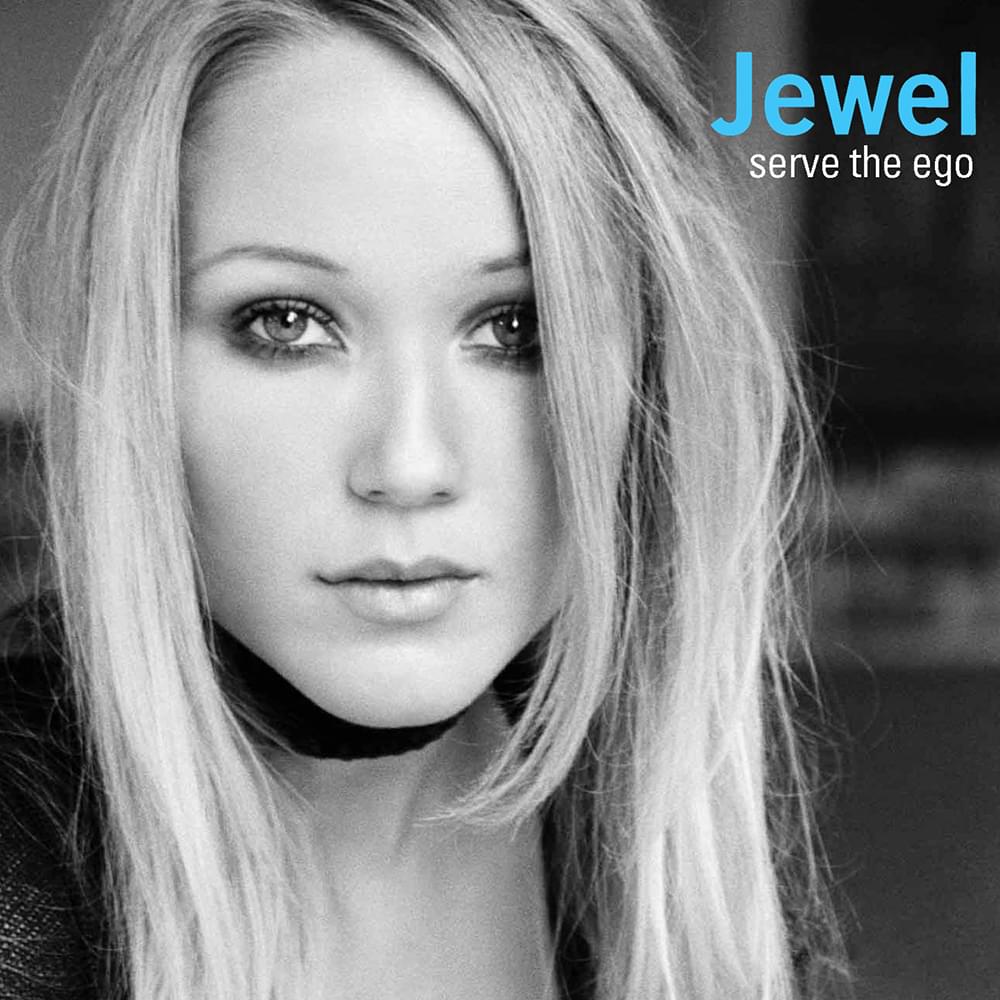
{"song_id": 13935438, "meaning": "Jewel's \"Serve the Ego\" isn't a gentle folk ballad; it's a barbed exploration of self-deception and the seductive power of image. The lyrics, dripping with irony, dissect the performative nature of desire and submission. The opening lines, \"Mirror, mirror / Do you like what you see? / I'll dance for you / And you'll dance for me,\" immediately establish a transactional dynamic, suggesting a hollow exchange of validation. Jewel isn't celebrating empowerment; she's dissecting the ways in which we willingly relinquish control in pursuit of fleeting gratification. The question, \"Who says a woman cannot serve?\" isn't a feminist declaration. It's a challenge to the listener to consider the motivations behind acts of service, particularly within the context of relationships and self-presentation. Is it genuine connection, or a performance designed to feed the ego? The song meaning hinges on this ambiguity.
The chorus, with its insistent repetition of \"Serve the ego, serve the ego,\" drives home the central theme. The disco setting, \"Underneath the disco light / Everybody's feeling alright,\" is a carefully chosen backdrop. Disco, often associated with hedonism and superficiality, becomes a metaphor for the illusions we create to mask deeper insecurities. The line \"Get on your hands and knees / And praise the new deity\" is particularly cutting, suggesting that the ego has become a false idol, demanding constant worship and sacrifice. The second verse further explores the surreal nature of desire, with its imagery of \"Two ships sailing on a neon sea\" and the consumption of flesh. These lines hint at a world where authenticity is lost, replaced by manufactured fantasies.
The bridge, a brief interlude of vulnerability (\"To touch / To discover / Oh no / Yesterday's lover\"), offers a glimpse behind the facade. This fleeting moment of recognition suggests the pain and disappointment that lie beneath the surface of ego-driven interactions. It's a reminder that the pursuit of external validation often leaves us empty and disconnected. In essence, \"Serve the Ego\" is a cynical commentary on the human condition, a warning against the dangers of prioritizing image over substance. Jewel uses sharp wit and vivid imagery to expose the emptiness at the heart of ego-driven behavior, leaving the listener to question their own motivations and desires. The song's brilliance lies in its refusal to offer easy answers, instead forcing us to confront the uncomfortable truths about ourselves."}
 View Artist