Song Meaning
The lyrics paint a stark picture of societal division and predatory behavior, contrasting the comfortable lives of some with the desperate circumstances of others. The opening lines immediately establish a sense of impending doom, with a "big-jib crane" suggesting an external force or a significant change, while "snakes that crawl" represent hidden threats aiming to "trip you up." This sets a tone of vulnerability against a backdrop of unseen dangers and a bleak existence in "sad shacks."
The central tension arises from the aggressive, almost parasitic nature of the "animals" described, who are not content with mere material gain. They explicitly state, "We're gonna leave your stereo, but we'll have your soul for tea," indicating a desire to consume something far more profound than possessions. This predatory impulse is framed as an inherent part of their identity, as they declare, "'cos we're all kinds of animals coming here: Occasional demons too."
The most striking aspect of the craft is the juxtaposition of mundane comforts with visceral, almost cannibalistic imagery. The "nice apartment with appliances and CD" is contrasted with the idea of having one's "soul for tea" and being "chew[ed] up." This creates a disturbing dissonance, suggesting that even in seemingly civilized spaces, a primal, destructive force is at play. The "smokestacks, belching black" further emphasize the industrial, perhaps working-class, perspective of the "have-nots" observing and interacting with those in power.
This lyrical approach is effective because it grounds abstract societal critiques in raw, unsettling imagery. The repeated refrain, "Occasional demons too," serves as a chilling justification or explanation for the aggressive actions, implying that this destructive behavior is not a constant state but a recurring, perhaps even accepted, facet of their existence. The lyrics force the listener to confront uncomfortable truths about exploitation and the darker impulses that can emerge from desperation and inequality.
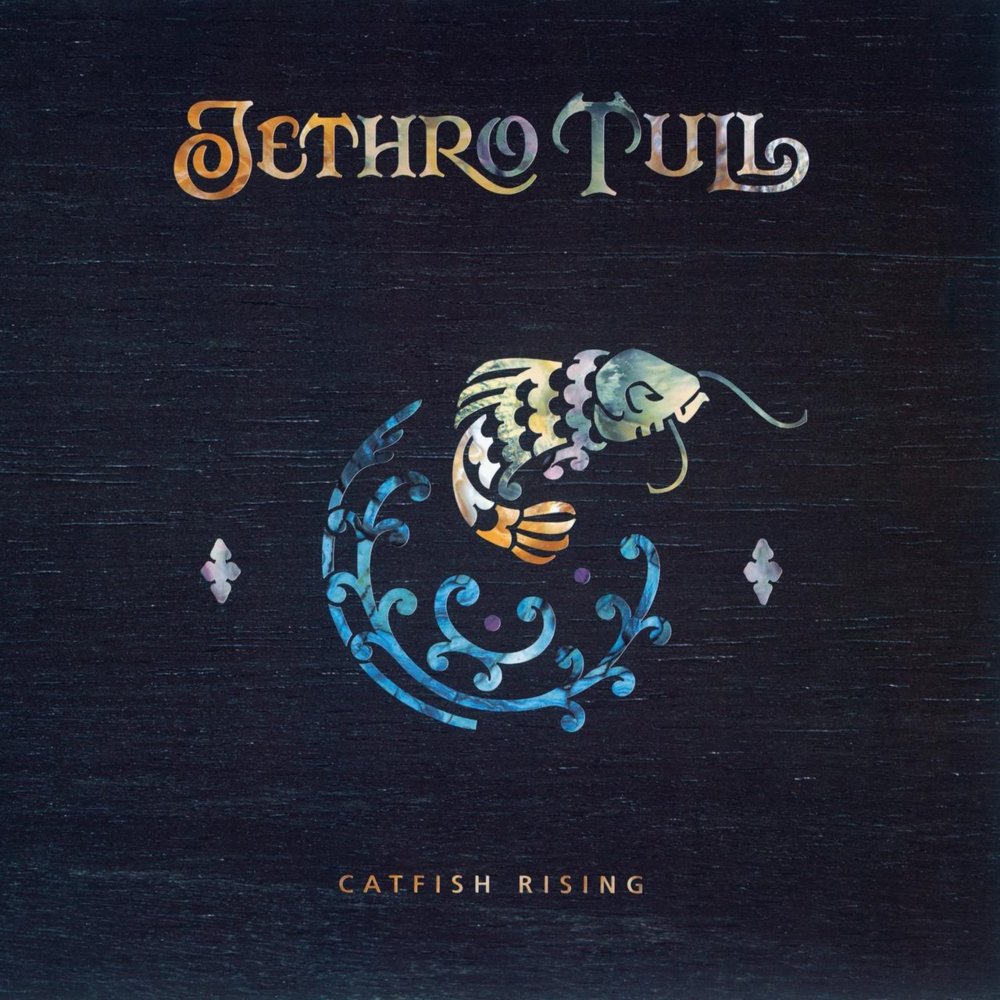
 View Artist