A Christmas Song (2018 Steven Wilson Remix)
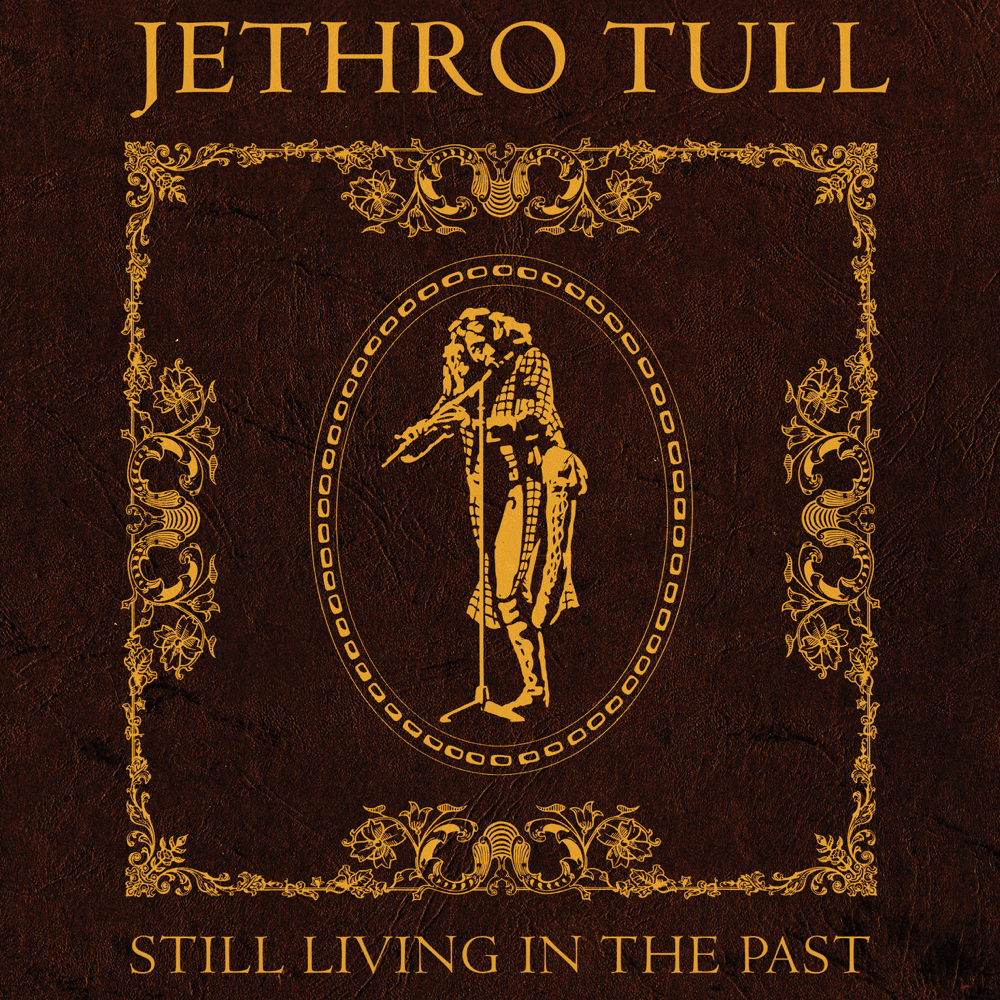
Jethro Tull - Rock
A Christmas Song (2018 Steven Wilson Remix)
2 Plays
Duration: 1:38
 View Artist
Lyrics
[Verse 1] Once in Royal David's City Stood a lonely cattle shed Where a mother held her baby You'd do well to remember the things he later said [Verse 2] When you're stuffing yourselves at the Christmas parties You'll just laugh when I tell you to take a running jump You're missing the point I'm sure does not need making That Christmas spirit is not what you drink [Verse 3] So how can you laugh when your own mother's hungry? And how can you smile when the reasons for smiling are wrong? And if I just messed up your thoughtless pleasures Remеmber, if you wish, this is just a Christmas song [Outro] Hey, Santa, pass us that bottle, will you?
Rate this song
0/5.0 - 0 Ratings
5
0.0% (0)
4
0.0% (0)
3
0.0% (0)
2
0.0% (0)
1
0.0% (0)
Loading comments...
Credits
Credits Not Found