Song Meaning
These lyrics paint a stark picture of a relationship defined by distance and a deeply conditional affection. The repeated phrase "Far from the hotel" suggests a specific, perhaps clandestine or non-committal, setting for these interactions. The other person's persistent desire for connection is clear: "You want my time, you want my time." Yet, the narrator's observation, "I see you're still alive," carries a chilling detachment, hinting at a profound lack of genuine warmth.
The central tension here lies in the narrator's long-held, unaddressed truth. The repeated build-up, "It's time to tell you what I've always known," creates a sense of inevitability, like a dam about to break. This isn't a sudden realization but a truth that has simmered, perhaps uncomfortably, beneath the surface for a significant period.
The craft of these lyrics shines in their raw, almost brutal honesty. The stuttered "I-I-I-I-I" before the confession isn't just a vocal tic; it conveys a palpable hesitation, the internal struggle of uttering such a difficult, self-aware truth. This moment of vulnerability makes the subsequent bluntness, "I only like you when I'm high," land with even greater impact. It's a confession that strips away pretense, revealing a connection sustained not by genuine feeling, but by altered perception.
Ultimately, the effectiveness of these lyrics comes from their unflinching portrayal of a fractured connection. The relentless repetition of the core confession, "I only like you when I'm high," transforms it from a mere statement into a mantra of resignation. It's a powerful, uncomfortable admission that forces the listener to confront the harsh reality of a relationship built on fragile, chemically induced foundations, leaving a lingering sense of melancholy and stark self-awareness.
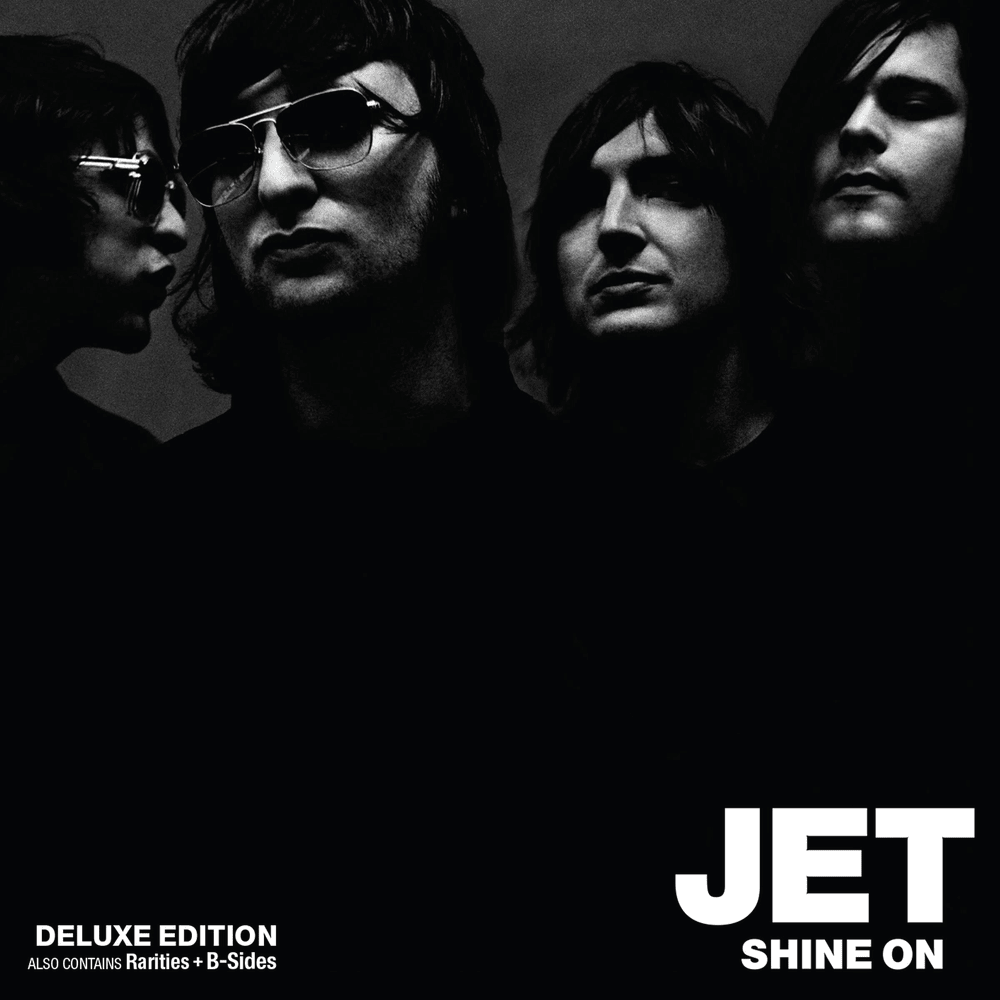
 View Artist