Song Meaning
The narrator confronts someone who seems to have a jaded, dismissive attitude, particularly towards them. There's a sense of weary resignation, as the narrator acknowledges the other person's general dislike, stating "mostly that's okay." This isn't a plea for affection, but a statement of fact before launching into a critique of the other person's perceived superiority and lack of genuine engagement. The repeated phrase "What would you know?" acts as a sharp, almost defiant challenge to this person's authority and understanding.
The core tension arises from the narrator's recognition of the other person's apparent world-weariness versus their own perceived lack of surprise or genuine connection. The narrator notes, "You've been there, seen it, done it all," suggesting a superficial experience that has led to cynicism rather than wisdom. This contrasts with the narrator's own position, which the other person dismisses as a "waste of time," a perception the narrator directly refutes with "But I have news for you."
The most striking element is the narrator's turn from acknowledging the other's dislike to offering unsolicited advice, flipping the script. They sarcastically suggest thanking the other for their "kind advice" before bluntly telling them, "Don't try to be so nice." This sharp pivot highlights the narrator's growing frustration and their decision to dispense with politeness, directly challenging the other's perceived insincerity and lack of genuine insight.
Ultimately, the lyrics resonate because they capture a specific kind of interpersonal friction: the clash between someone who claims to have seen it all and someone who feels misunderstood and underestimated. The repeated, pointed question "What would you know?" effectively cuts through the other person's facade, asserting the narrator's own perspective and challenging the authority of cynicism when it lacks true understanding.
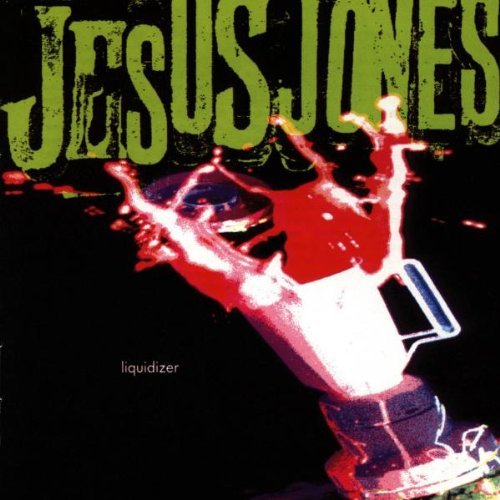
 View Artist