Song Meaning
The lyrics paint a vivid picture of profound liberation, moving from a state of confinement to one of ecstatic freedom. The narrator directly addresses a powerful entity, stating, "Me has dado libertad" (You have given me freedom), and describing a release from "mi prisión" (my prison) and "cadenas de mi gran opresión" (chains of my great oppression). This initial declaration sets a tone of awe and gratitude for an intervention that shattered previous bonds.
The central tension lies in the contrast between past captivity and present deliverance. The narrator emphasizes being "Cautivo ya no soy" (I am no longer captive) and experiencing "No vivo mas condenación" (I no longer live in condemnation), directly attributing this shift to "tu gran amor" (your great love). This transformation is not just a physical escape but a spiritual and emotional rebirth, freeing the narrator from a state of judgment.
The repeated phrase "Libertad tu me has dado" (Freedom you have given me) acts as a powerful anchor, reinforcing the source of this newfound liberty. The imagery escalates from breaking "cadenas" (chains) to the almost supernatural feeling of being "tan libre puedo casi volar" (so free I can almost fly). This hyperbolic expression captures the overwhelming joy and boundless potential that freedom brings.
The lyrics effectively convey a sense of overwhelming relief and exhilaration through their directness and repetition. The simple, declarative statements about freedom and salvation, coupled with the soaring metaphor of flight, create an immediate and powerful emotional impact. The final lines, "Libre soy en Jesús libre por su cruz" (I am free in Jesus free by his cross), explicitly name the source of this liberation, inviting the listener to share in this transformative experience.
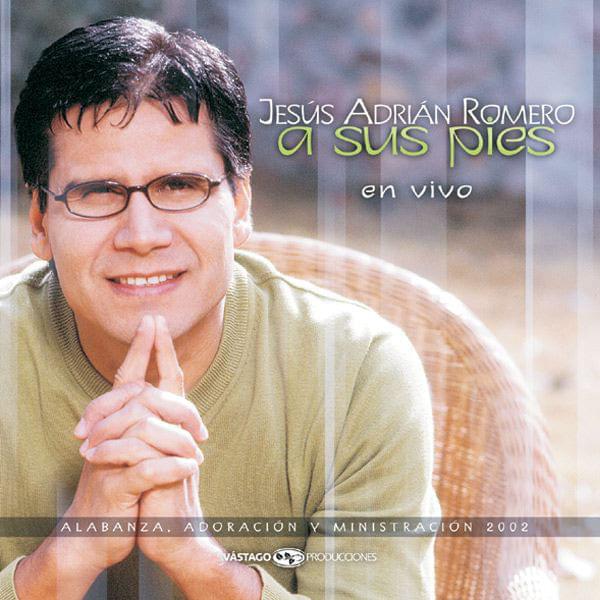
 View Artist