Song Meaning
The lyrics to "Stanlow" paint a stark picture of indifference amidst a decaying world. "All the ghosts that haunt us don't scare," the narrator declares, suggesting a profound numbness to past anxieties. This emotional detachment is quickly attributed to a pervasive self-absorption. The scene itself is equally bleak, marked by "dull clouds" and "ugly skylines."
At the heart of these lyrics lies a potent internal conflict, captured by the recurring question: "Why believe yourself." This isn't just self-doubt; it feels like a challenge to one's own perceptions, perhaps even a critique of self-deception. The narrator suggests a society "too selfish to be that aware," implying a willful ignorance that prevents deeper engagement with reality or one's own inner turmoil.
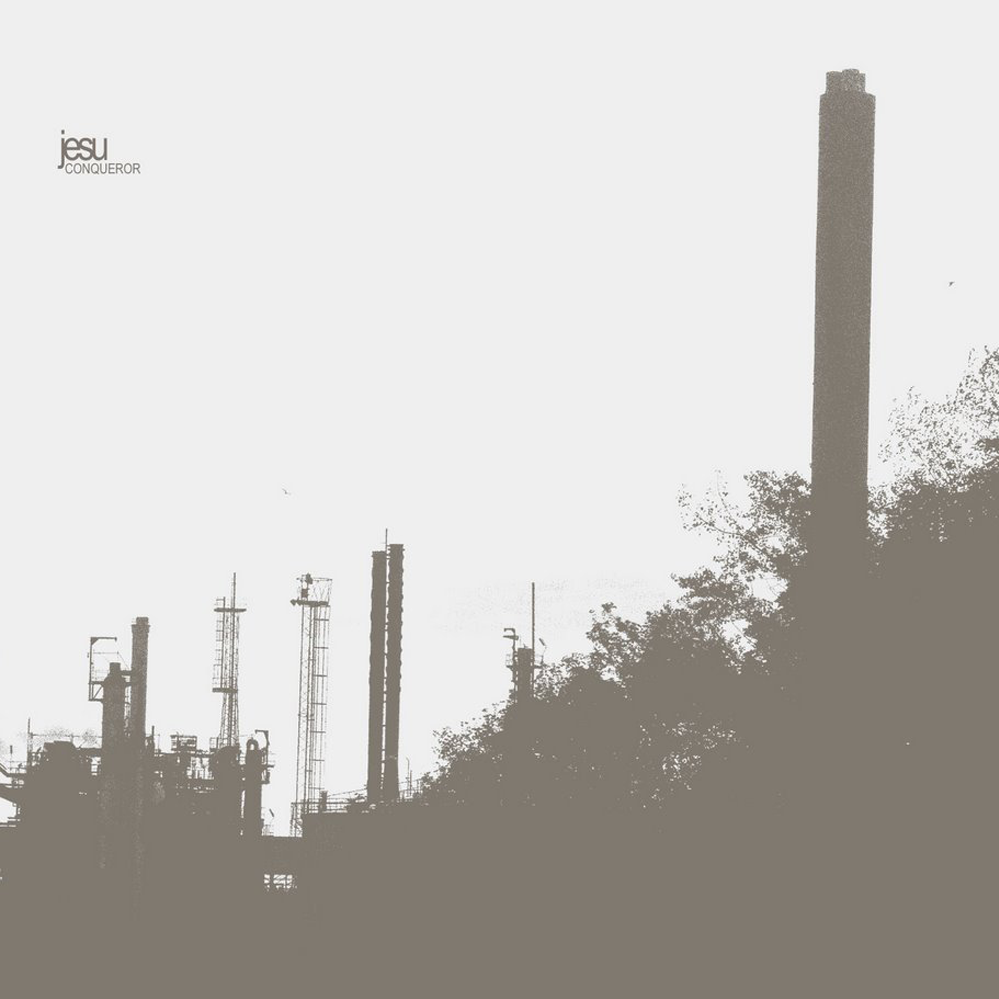
The physical landscape mirrors this internal desolation with striking, unromantic imagery. "Dull clouds line the pathways" leading to "ugly skylines," while "rivers flow to grey buildings." This consistent industrial bleakness culminates in the powerful sensory contradiction: "Sweet air bitter taste." It's a visceral image of corruption, where something inherently pleasant is rendered foul, perfectly encapsulating a pervasive disillusionment.
The effectiveness of "Stanlow" lies in its blunt honesty and relentless questioning. The repetition of "Why believe yourself" isn't just a refrain; it's an insistent, unsettling echo that forces introspection. By leaving the final "Why..." hanging, the lyrics deny easy answers, instead immersing the listener in a state of unresolved skepticism and a world where even the air itself carries a taste of disappointment.
 View Artist