Song Meaning
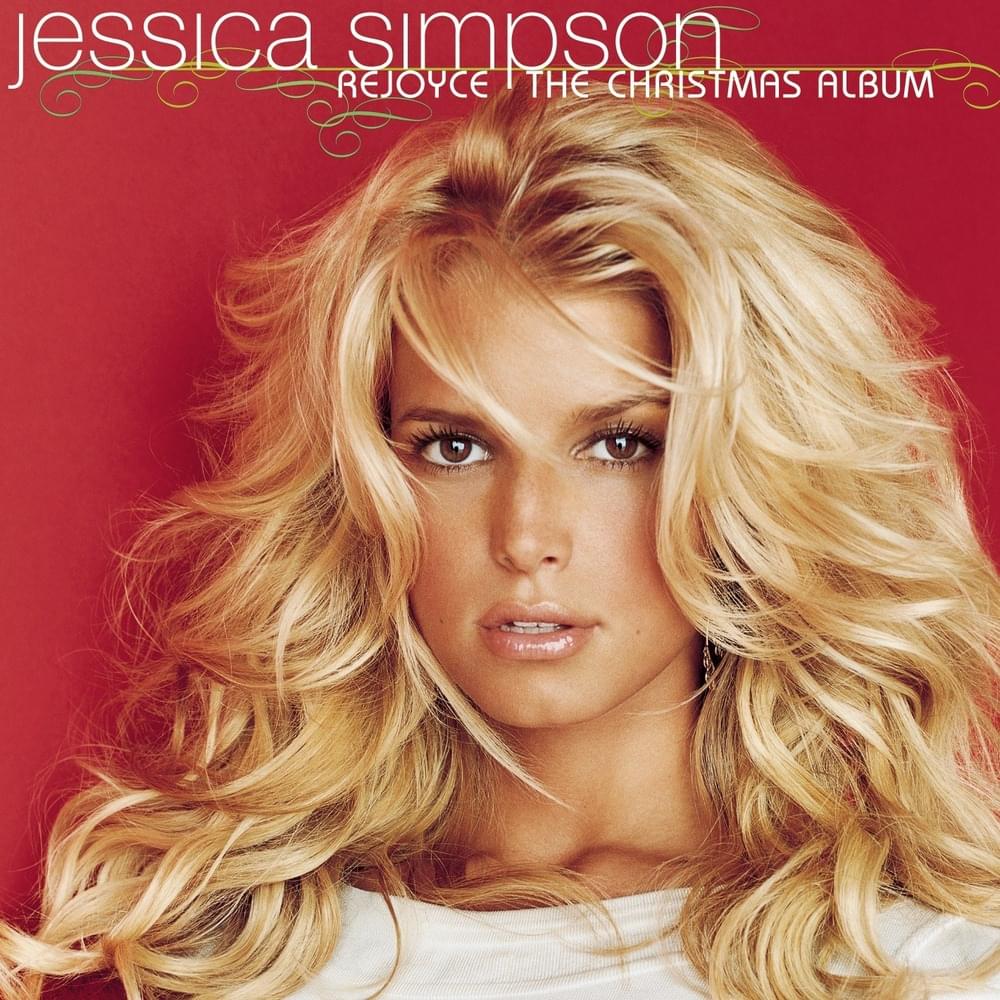
Jessica Simpson's rendition of "What Child Is This" isn't merely a Christmas carol; it's a carefully constructed expression of reverence and, perhaps, a yearning for the uncomplicated faith of childhood. The lyrics, penned in the 19th century by William Chatterton Dix, pose a simple question in the opening verse: "What child is this, who, laid to rest / On Mary's lap, is sleeping?" This isn't a query of ignorance but one of wonder, inviting the listener into a shared moment of awestruck contemplation. Simpson's delivery, stripped of excessive ornamentation, reinforces this sense of intimate reflection.
The song's power lies in its juxtaposition of the humble and the divine. Shepherds, symbols of simplicity and earthly labor, stand alongside angels, celestial beings of immense power. This contrast underscores the central Christian message: that the divine entered the world not in majesty but in profound humility. The repetition of "This, this is Christ the King" in the chorus acts as both a declaration of faith and an invitation to acknowledge the sacred within the ordinary. The urgency of "Haste, haste, to bring him laud" suggests not just celebration but a deep-seated need to connect with something transcendent.
Analyzing the lyrics, the offering of "incense, gold, and myrrh" transcends its literal meaning. These gifts symbolize different aspects of reverence: spiritual devotion (incense), earthly acknowledgement (gold), and acceptance of mortality (myrrh). The call to "Come peasant, King, to own Him" further emphasizes the universality of this spiritual experience. Ultimately, Jessica Simpson's performance of "What Child Is This" serves as a reminder of the enduring appeal of faith and the profound impact of a story that continues to resonate across generations. It evokes a sense of peace and quiet awe, tapping into the deep human desire for meaning and connection during the holiday season.
 View Artist