Song Meaning
Jessi Colter's "The Hand That Rocks the Cradle" isn't some sentimental ode to motherhood; it's a stark, almost brutal confrontation with female power and responsibility within the confines of a troubled relationship. The song meaning resides in that tension – the midnight hour of loneliness and sexual frustration juxtaposed with the call to maintain domestic stability. Colter's lyrics don't shy away from the raw edges of desire ("legs spread on his bed howling at the moon") or the potential for marital discord ("all the nights you've done him wrong"). Instead, she frames these issues as a crucible, a test of a woman's strength. The repeated invocation to "let the hand that rocks the cradle lead your song" isn't about passive submission. It's a call to harness the influence a woman wields over the home, and by extension, the man and the broader "country."
The song subtly inverts the traditional Madonna-whore complex. Colter acknowledges the woman's sexuality and potential for infidelity, but she demands a higher purpose. The "hot blood" threatening to "flood your mind" must be channeled, not suppressed. There's a sense of urgency in the lyrics – "ain't no time left to be bitter," "there's a race here we've got to run." This isn't simply about saving a marriage; it's about preserving a larger social fabric. The line "your man's country is as strong as your man's home" connects the personal and the political, suggesting that a stable domestic life is essential for national strength.
Ultimately, "The Hand That Rocks the Cradle" is a complex exploration of female agency within a patriarchal structure. It's a song that acknowledges the limitations placed on women while simultaneously urging them to recognize and wield their power. The concluding lines, returning to the "wee small hours of midnight," suggest that this struggle is ongoing, a constant negotiation between desire, responsibility, and the weight of societal expectations. The song doesn't offer easy answers, but it does offer a powerful and unflinching look at the choices women face and the strength they possess.
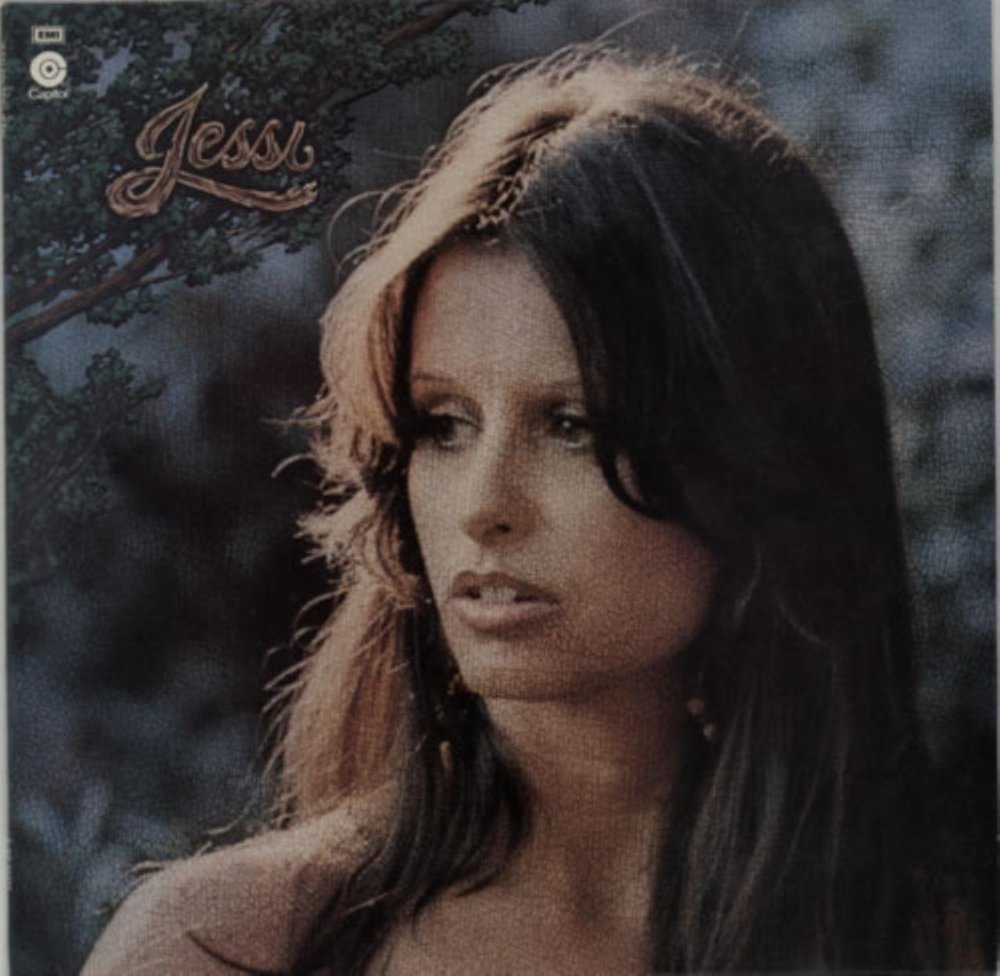
 View Artist