Song Meaning
Jesse Winchester's "Wander My Way Home" isn't just a geographical quest; it's a poignant exploration of the human condition, filtered through the lens of urban alienation and the yearning for belonging. The opening lines immediately establish a sense of vulnerability and threat within the anonymous "big city," where simple navigation becomes a dangerous game. This sets the stage for a deeper metaphorical journey, one where the search for physical directions mirrors the individual's quest for meaning and purpose. The ominous undertones -- "they want to pick your bones" -- suggest a world ready to exploit and devour the lost soul. This isn't just about getting from point A to point B; it's about surviving the inherent dangers of modern existence.
The recurring motif of seeking directions acts as a clever narrative device, highlighting the unreliable nature of guidance in a chaotic world. The man's ambiguous advice -- "Go straight, you can't miss it / But you've got a ways to go" -- encapsulates the frustrating paradox of life's journey: the destination may be clear in theory, but the path is often long, arduous, and uncertain. The imperative to "just keep moving" regardless of circumstances speaks to a resilience born of necessity, a refusal to succumb to the overwhelming forces of disorientation. The possibility of stumbling into heaven offers a glimmer of hope, yet the more likely outcome is simply wandering one's way home, suggesting a more grounded, less transcendent resolution.
Winchester's lyrical analysis gains further depth as he introduces different voices seeking their way. The woman's desperate question about "the highway home" and her vow to "never, ever roam" if she returns, injects a powerful dose of longing and regret. This contrasts with the initial sense of urban danger, revealing a universal desire for stability and a safe haven. The one-way streets, traveled "up and down em all ways," become a symbol of cyclical frustration, reinforcing the feeling of being trapped in a repetitive and ultimately unfulfilling existence. The child's perspective, though incomplete in the provided lyrics, hints at the possibility of renewed hope or perhaps the naive belief that direction is easily found. Ultimately, "Wander My Way Home" finds its song meaning in the push and pull between the dangers of the unknown and the inherent human need for connection and a place to call one's own.
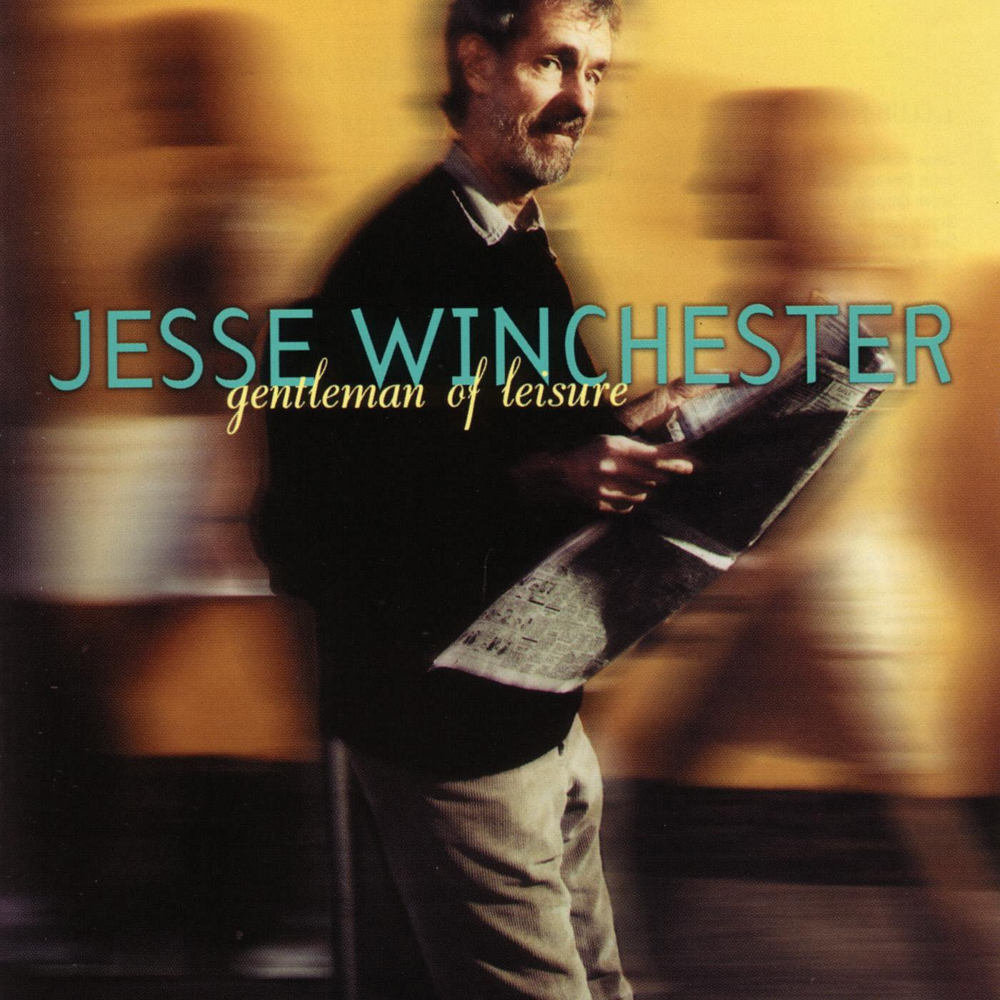
 View Artist