Song Meaning
The lyrics paint a picture of profound internal struggle, a desperate plea for understanding amidst overwhelming pain. The opening lines, "Still of the night / Still of the night," establish a pervasive sense of quiet desperation and lingering darkness. There's a palpable feeling of something vital being extinguished, a sense that even the memory of life or passion is fading, leaving only a hollow echo. The repetition emphasizes the inescapable nature of this internal state, a constant companion in the stillness.
The central conflict seems to be a battle against an oppressive force, both internal and external. The narrator describes "Every thought in a cell / With my fingers cut, living hell," a visceral image of confinement and self-inflicted or unavoidable harm. This is compounded by the question, "If I get out of the swamp / But live still in its heat," suggesting that escape might not bring true freedom, but merely a different form of suffering. The "heat" implies a persistent, inescapable torment, even after leaving the immediate "swamp."
The most striking metaphor is the caged bird with "wings cut." This image powerfully conveys a sense of lost potential and enforced helplessness. The narrator observes this with a profound sense of tragedy, calling it "what a waste." This connects directly to the earlier lines about fighting "a will for life," suggesting a constant, draining effort against an existence that feels inherently painful and restrictive. The idea that "it all gets in, but you know I / Never take it for what it is meant" hints at a deep-seated inability to accept or process experiences as they are, further contributing to the cycle of pain.
Ultimately, these lyrics resonate because they articulate a feeling of being trapped, not just by circumstances, but by one's own internal state and perception. The raw imagery of "fingers cut" and the "swamp" combined with the poignant image of the caged bird create a powerful emotional landscape. The narrator's desperate questioning about healing and the potential for relief, like asking "If you can dance / Over my cracks, will it help me heal," reveals a deep yearning for an end to the suffering, even if the path forward remains unclear and fraught with the lingering "heat" of past trauma.
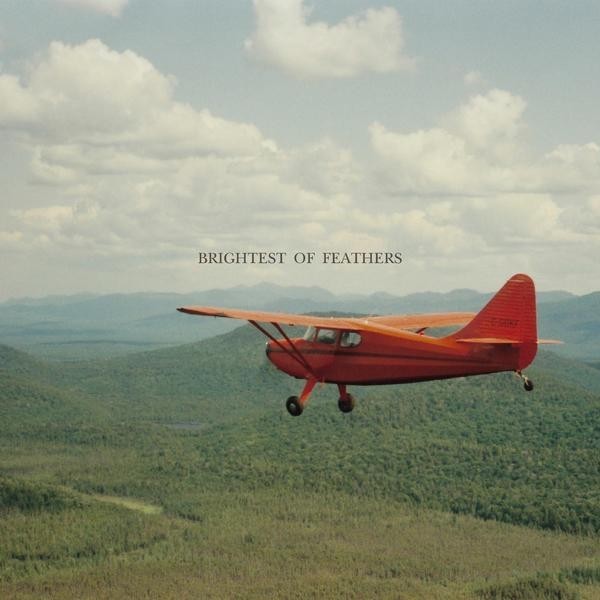
 View Artist