Song Meaning
The lyrics paint a stark picture of irreversible loss and a profound sense of being unmoored. The opening lines, "Tied to what is late, ain't you now / Adrift, I know all i was is gone," immediately establish a tone of finality and displacement. There's a feeling of being stuck in a past that's already over, with the present self acknowledging a complete erasure of what came before. The image of "still life underwater" suggests a preserved, yet stagnant and suffocating, existence.
The central tension seems to revolve around a past self or a past life that has been irrevocably "blown out too far away." This distance prevents any possibility of correction or redemption, leaving the narrator in a state of passive observation. The phrase "I drank alone and watched / It come unreeled" implies a solitary, detached witnessing of this dissolution. The desire for a "life to belong to and keep / In straight line" contrasts sharply with the current state of being adrift and "blown now too far away."
The lyrics employ a powerful contrast between "straight lines" and the chaotic reality of being "adrift." Straight lines represent order, direction, and perhaps a life that was lived correctly or purposefully. However, the narrator is now defined by the opposite: "Stranded and effaced in the black," where "straight lines" are only found "in the waves" – a fleeting, unstable definition. The repetition of "Gone now / Well they will find you again" is particularly chilling, suggesting that even in absence, the forces that led to this state of being will inevitably return, especially when one is trying to recover or find stability.
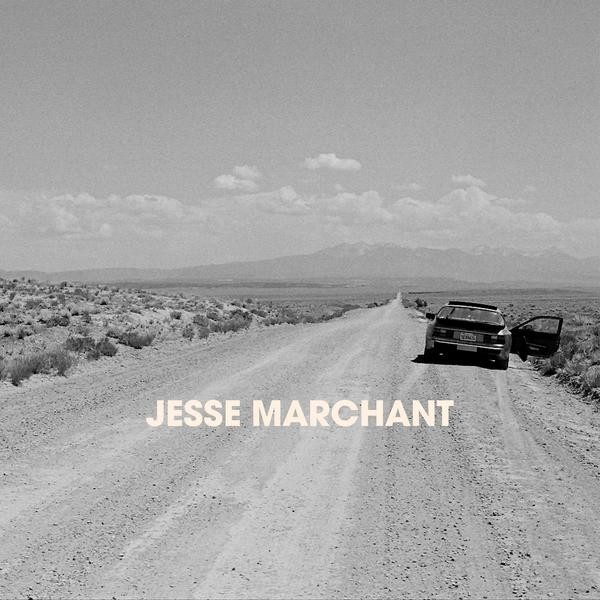
 View Artist