Song Meaning
The lyrics paint a picture of a Tuesday morning commute, a return to the mundane after a fleeting moment of connection. There's a palpable sense of resignation to the daily grind, the "lives that we don't choose." The narrator acknowledges the routine with a weary "This is ok," framing it as just another obligation, a shared experience of doing what must be done. This initial scene sets a tone of quiet desperation, a stark contrast to the desire for escape that emerges.
The central tension lies between the acceptance of a predetermined, unchosen life and the desperate yearning for an alternative, specifically one found with a particular person. The narrator grapples with the impermanence of their shared moments, recognizing that "Tomorrow you'll go." This fleeting nature amplifies the desire to hold onto the present, to be "lost with you," suggesting a wish to abandon the structured reality for an undefined, shared freedom.
The most striking element is the repeated declaration, "The only place I wanna be / Is lost with you." This isn't about finding a physical location, but rather a state of being – an escape from the pressures and expectations of their current lives. The idea of being "lost" implies shedding the constraints of their chosen paths and embracing a spontaneous, unscripted existence, even if it's temporary. The contrast between the "city" and the imagined "far away from here" highlights this yearning for an alternative reality.
This song resonates because it captures the universal feeling of being trapped in routine while simultaneously cherishing those rare moments of genuine connection. The lyrics articulate the desire to escape the predictable, to find solace and meaning not in grand plans, but in the simple act of being present with someone special. The repeated phrase acts as a mantra, a desperate plea for a temporary reprieve from the ordinary, making the imagined escape feel both poignant and deeply relatable.
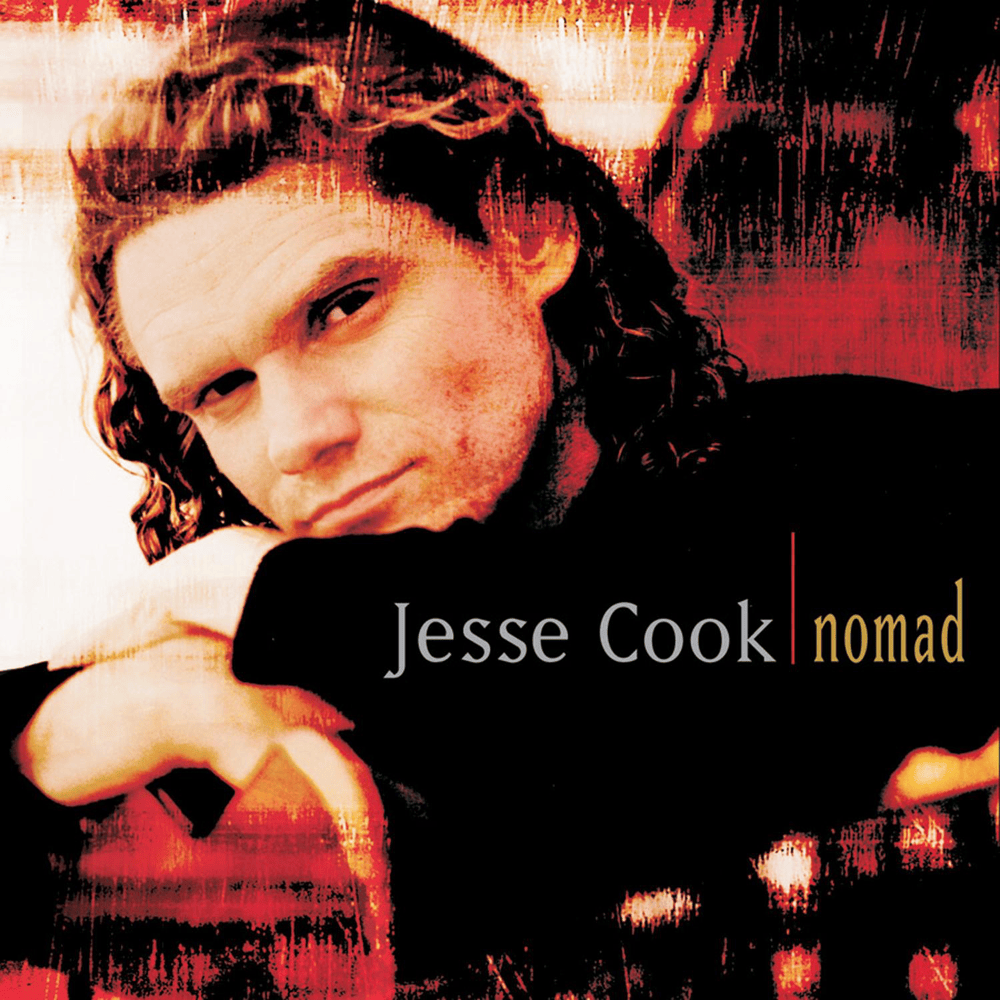
 View Artist