Song Meaning
The lyrics paint a picture of deep longing and anticipation for a loved one's return, using a series of nested metaphors to express the intensity of this feeling. The narrator's chest holds a 'cage' with a 'bird' inside, which contains a 'heart' that sings a song. This song, in turn, holds a 'flame' with a 'wish,' and this wish is to be 'holding my hand.' This intricate layering suggests that the narrator's entire being, from the most guarded part of their heart to their deepest desires, is focused on this reunion. The repetition of "In the moment you return to me, yeah" anchors each of these internal landscapes to the singular event of their beloved's arrival.
The central tension lies in the narrator's vulnerability and the preciousness of what they hold within. The 'bird' 'can't present it to give it,' implying a gift or a part of themselves that is kept safe but also withheld until the right moment. This protected core contains a 'song' that 'makes you feel like we're together,' a powerful evocation of shared intimacy even in absence. The 'flame' burning 'the length of a candle' speaks to a contained but persistent passion, fueling a 'wish' for physical connection – 'holding my hand.' This progression from internal containment to a desire for outward connection highlights the emotional stakes.
The most striking craft element is the recursive structure, where each subsequent image is contained within the previous one, creating a sense of escalating intimacy and focus. From the 'cage' to the 'bird,' then the 'heart,' the 'song,' the 'flame,' and finally the 'wish,' the narrator unpacks their feelings layer by layer. This builds towards the image of a 'long awaited letter' in their 'hand,' representing love itself, which then unfolds into a 'road' for shared experience. The final stanza introduces a domestic scene, a 'house' and a 'room' where the narrator waits, but the introduction of a 'baby' and the instruction 'Careful to not wake the baby' adds a surprising, tender new dimension, suggesting a future or a present reality that is fragile and requires gentle care, all centered around the awaited 'boo.'
These lyrics resonate because they translate abstract emotions into tangible, almost physical objects and spaces. The meticulous construction, moving from the internal 'cage' to the shared 'road' and the quiet 'room,' makes the narrator's longing feel both deeply personal and universally understood. The repeated, almost incantatory "My boo" serves as an emotional anchor, a simple, direct address that cuts through the complex imagery and grounds the entire piece in a singular, profound affection. The ultimate effectiveness lies in how this intricate, almost childlike, nesting of precious things culminates in a quiet, hopeful, and protective anticipation of reunion.
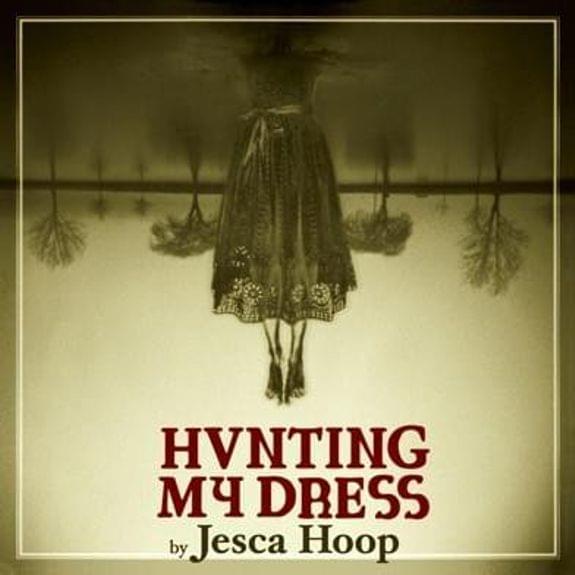
 View Artist