Song Meaning
The lyrics open with a stark self-reflection in the mirror, a moment where the past clashes with the present. The narrator confronts their former self, declaring a profound shift: "Nu lever inte längre jag, nej! Nu lever Jesus inom mig." This isn't just a change of heart; it's a perceived replacement of identity, a radical rebirth that redefines their existence. The immediate emotional texture is one of dramatic transformation and a newfound sense of being.
The central tension lies in the nature and direction of change. The repeated refrain "Och jag lever, jag lever, jag lever / I ständig förändring" (And I live, I live, I live / In constant change) anchors the song in this ongoing process. However, the lyrics quickly introduce a crucial question: "hur vi förändras / Går det åt rätt håll, eller växer vi åt fel?" (how we change / Is it going the right way, or are we growing the wrong way?). This introduces an undercurrent of uncertainty, suggesting that change itself isn't inherently good, but its direction is paramount.
The most striking craft element is the direct address and contrast between internal and external perception, particularly concerning the mirror imagery. While the narrator finds a new self through faith, they acknowledge that this change might not be outwardly visible or noticeable. They then pivot to address another person, suggesting that this individual fears their own reflection, perhaps because it reveals an undesirable truth. The lyrics offer a solution: inviting Jesus into one's life will provide "en ny bild" (a new image) and "en verklig förändring" (a real change), directly linking spiritual faith to a transformative, positive self-image.
This lyrical approach is effective because it grounds abstract spiritual concepts in relatable, tangible experiences like self-perception and the fear of one's own reflection. The repetition of "lever" (live) and "förändring" (change) creates a powerful, almost hypnotic rhythm that emphasizes the ongoing nature of this transformation. By posing the question of whether change is positive or negative, the song invites listeners to consider their own trajectory, making the spiritual message feel less like a decree and more like an invitation to a potentially better way of living.
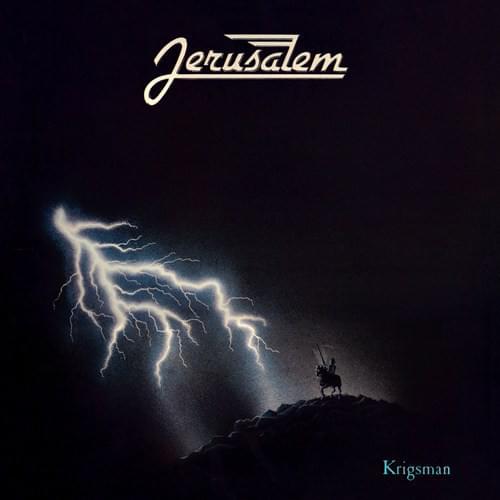
 View Artist