Song Meaning
This intro sets a stage for a profound mental discipline, framing it as a prerequisite for true power. The core idea is achieving a state of absolute equanimity, where external events, whether positive or negative, fail to disturb the inner state. This detachment isn't about apathy, but about reaching a point of pure existence, a neutral ground from which creation can spring.
The central tension lies in the pursuit of this unshakeable mental attitude. The lyrics present a challenge: to remain unmoved by life's fluctuations, to transcend the duality of good and bad. This state of 'just is' is depicted as the ultimate goal, a place of pure being that unlocks the ability to shape reality. It's a call to arms for the mind, demanding a radical shift in perspective.
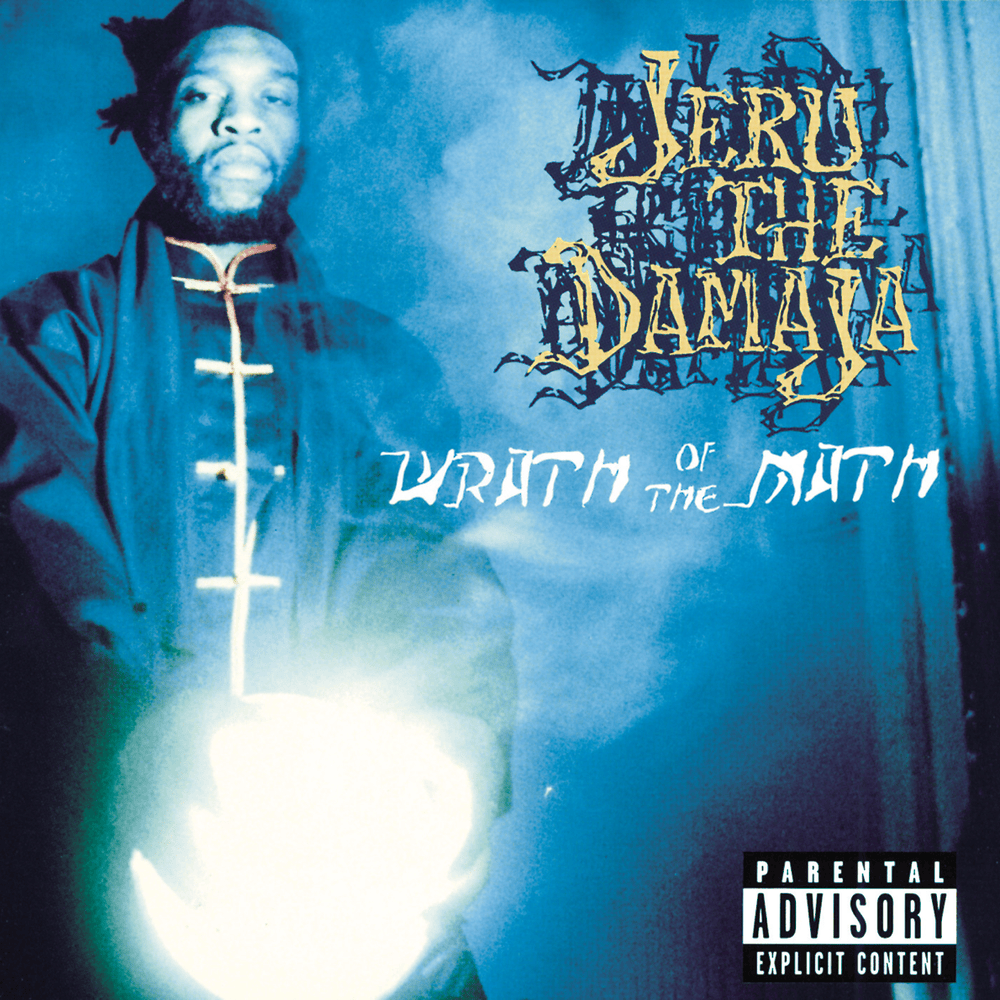
The most striking element is the phrase "the wrath of the math." It's an unexpected juxtaposition, linking the abstract, often rigid world of mathematics to a powerful, almost destructive force. This suggests that the rigorous, logical, and detached mindset required for true mental mastery, akin to solving complex equations, can unleash an overwhelming, potent energy. The readiness the speaker demands implies this power is not easily attained but is a formidable force once harnessed.
Ultimately, these lyrics resonate because they offer a path to agency through internal control. The promise is that by mastering one's own mind, by achieving a state of pure, unadulterated presence, one gains the power to influence and create. The 'wrath of the math' serves as a potent, albeit abstract, metaphor for the immense, potentially overwhelming power that such disciplined mental fortitude can unlock.
 View Artist