Song Meaning
These lyrics open with a stark, almost ancient declaration: "Humankind cannot gain anything without first giving something in return." It's a foundational statement, immediately establishing a world governed by strict, unyielding principles. This isn't just a casual observation; it's presented as an immutable law.
The passage quickly refines this idea, introducing "alchemy's first law of Equivalent Exchange." This specific naming elevates the concept from a general truth to a defined, almost scientific doctrine. However, the crucial shift comes with the phrase "we really believed that to be the world's one, and only truth," delivered in the past tense. This suggests a profound disillusionment, hinting that what was once held as absolute truth may no longer be believed, or perhaps its implications have been revealed to be far darker than initially understood.
The abrupt, unsettling sound of "Evil laughter" that follows is a masterstroke of sonic storytelling. It completely recontextualizes the preceding philosophical statement. Is the laughter mocking the naiveté of those who once believed in the law? Does it belong to someone who has exploited this very principle, or perhaps someone who has witnessed its cruelest applications? This jarring auditory punctuation transforms a seemingly wise axiom into something potentially sinister or broken.
Ultimately, these lyrics are effective because they take a seemingly universal concept of balance and then shatter its purity with a single, chilling sound. The contrast between the formal, almost sacred language of exchange and the raw, cynical laughter forces the listener to grapple with the potential for corruption or pain inherent even in the most fundamental truths. It leaves an unsettling question hanging: what price was paid, and by whom, for this "Equivalent Exchange"?
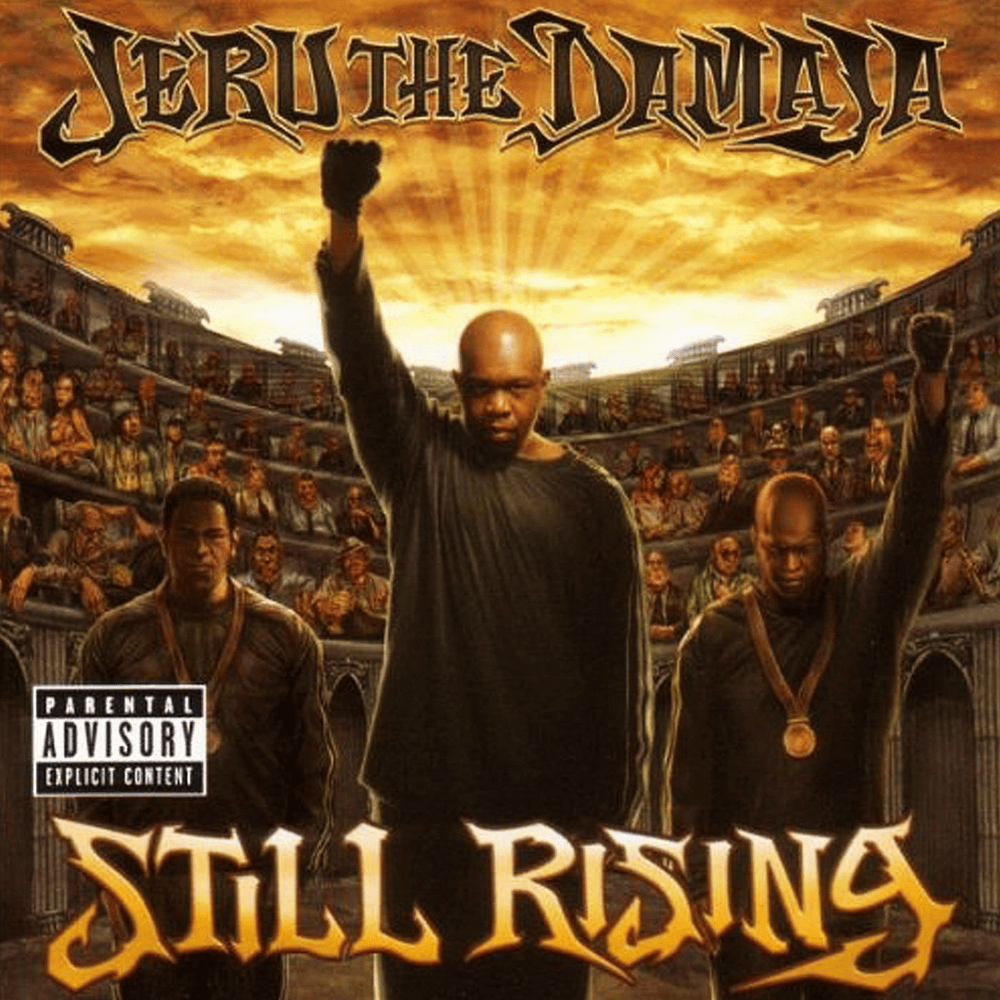
 View Artist