Song Meaning
The narrator lays down a stark, transactional ultimatum: they've endured enough pain and now demand reciprocity. The opening lines, "I cried for you / Now cry for me," establish a clear, almost vengeful, exchange. This isn't about lingering affection; it's about settling a score after being wronged. The repeated "No, no, I don't love you anymore" hammers home the finality of their decision, severing any hope for reconciliation.
The core tension arises from the narrator's past devotion versus the partner's betrayal. The lyrics reveal a history where the narrator gave immense love, "loved you so / Much more than you'll ever know," only to be met with infidelity and deceit. The partner's current plea to return is dismissed as "make-believin'," highlighting the narrator's refusal to be fooled again. The repeated "Don't go, baby" interjections, though seemingly from the partner, underscore the narrator's newfound resolve to leave.
The most striking element is the inversion of emotional labor. The narrator explicitly states, "You made a fool of me," and now insists the partner experience the same sorrow they once did. The phrase "Just the way I cried for you" directly links the past suffering to the present demand, creating a powerful sense of earned retribution. This isn't just about moving on; it's about forcing the other person to confront the depth of the pain they inflicted.
This lyrical structure effectively conveys a hard-won liberation. The repetition of "Cry for me" transforms a plea into a command, signifying the narrator's reclaiming of power. The bluntness of the language and the direct address leave no room for ambiguity, making the emotional impact feel raw and earned. It’s a declaration of independence forged in the fires of heartbreak, where closure is achieved not through forgiveness, but through shared tears.
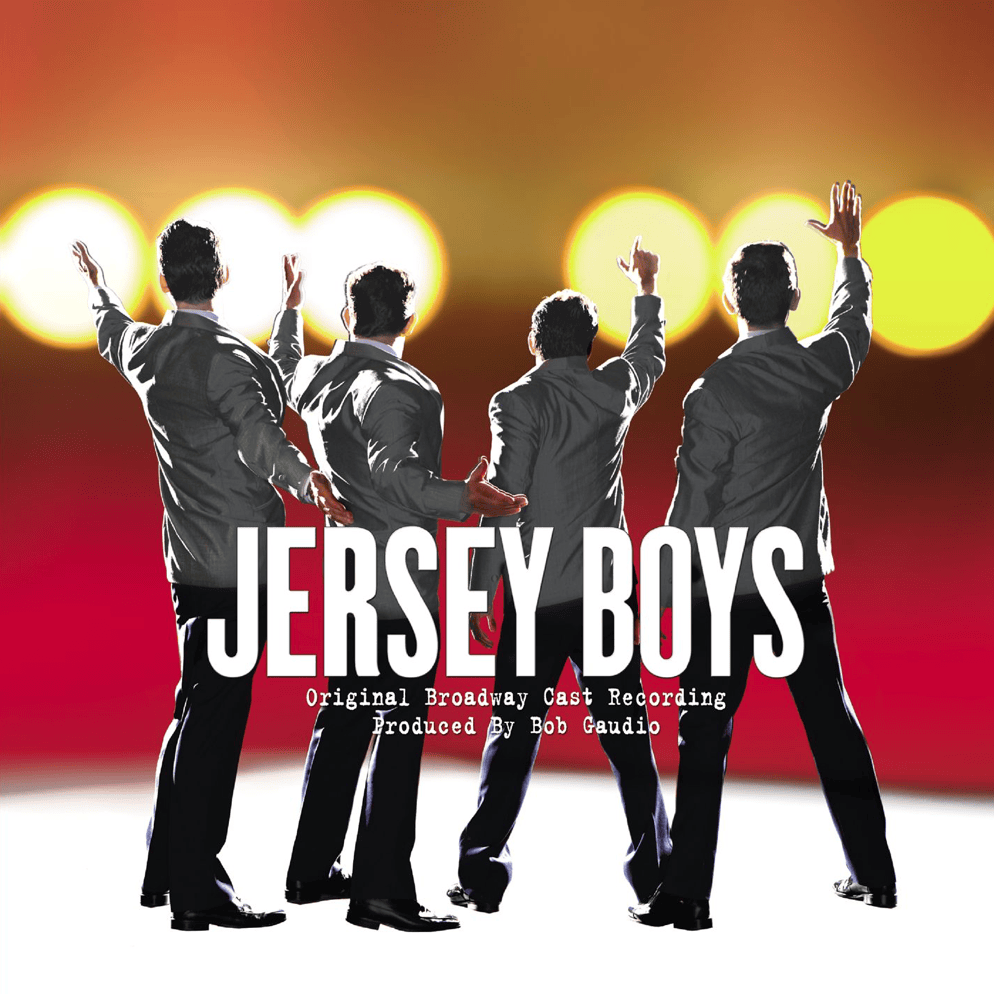
 View Artist