Song Meaning
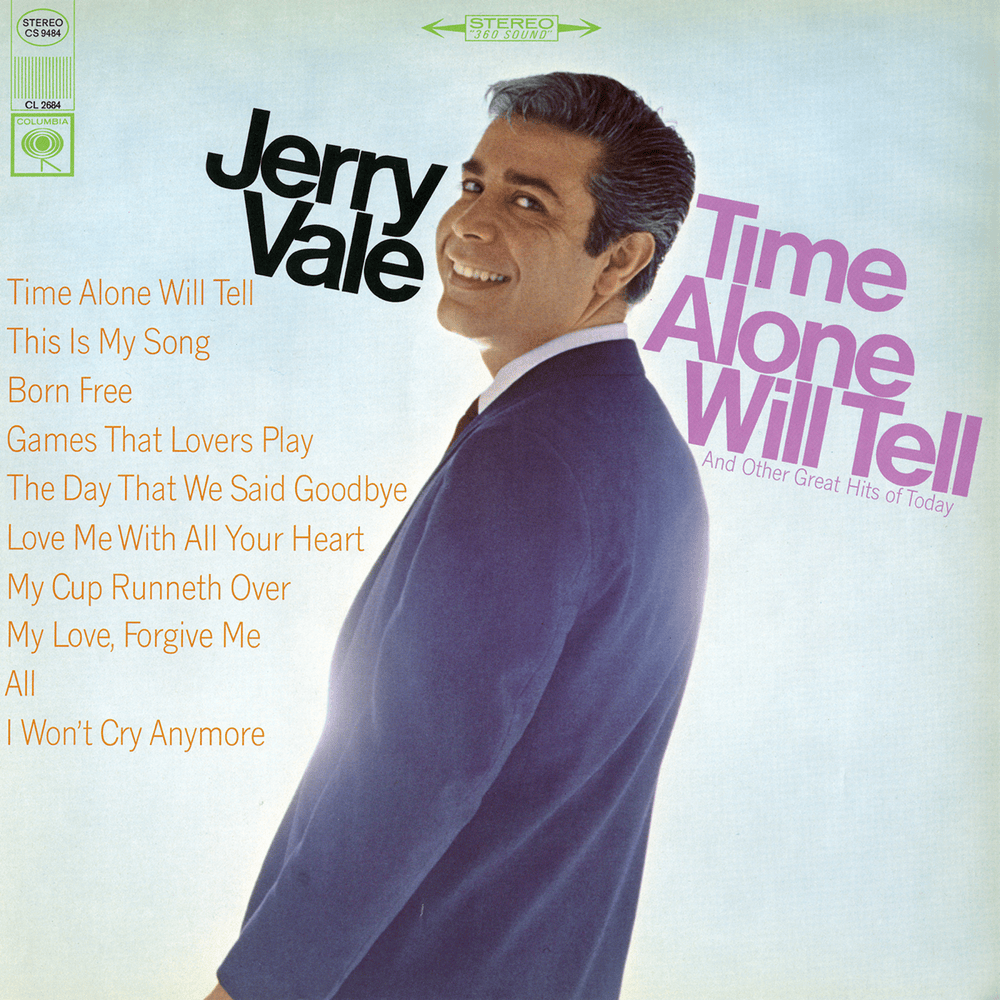
Jerry Vale's "Time Alone Will Tell (Non Pensare A Me)" is a masterclass in melancholic resignation, a sonic portrait of love against the backdrop of inevitable loss. The song doesn’t rage against fate; instead, it acknowledges the cruel irony of connection, where destiny allows two souls to meet only to decree their separation. Vale's performance, imbued with a signature blend of operatic flourish and intimate vulnerability, elevates what could be a simple lament into a profound exploration of the human heart's capacity for enduring affection. The core sentiment revolves around the acceptance that time, the great healer and destroyer, will ultimately reveal the depth and permanence of the singer's love, even in the face of physical absence. The refrain, "Time alone will tell," acts as both a comfort and a curse, a hope that the future will validate the intensity of feeling and a recognition that the present is defined by aching solitude.
Vale's genius lies in conveying the quiet dignity of heartbreak. There's no desperate plea for a change of heart, no bitter recriminations. Instead, the lyrics embrace a sense of fatalism, acknowledging that the beloved "must go." The singer willingly assumes the role of the "loser," accepting a lonely path forward. This isn't a surrender to despair, but rather a testament to the unwavering nature of his love. The repetition of "Time alone will tell" underscores the central theme: that true love transcends immediate circumstances and exists on a plane where time itself is the ultimate arbiter. The bilingual bridge, shifting into Italian (Forse piangerò...), adds a layer of emotional depth, suggesting a raw, unfiltered vulnerability that surpasses the constraints of the English lyrics.
Ultimately, "Time Alone Will Tell" explores the psychological landscape of enduring love, even when separated by circumstance. The song's emotional power resides in its ability to tap into the universal experience of loss and the hope that, despite the pain, true love leaves an indelible mark on the soul. The song suggests that some loves are so profound, so transformative, that their impact reverberates through time, forever shaping the individual's perception of the world, even if that world is now experienced alone.
 View Artist