Song Meaning
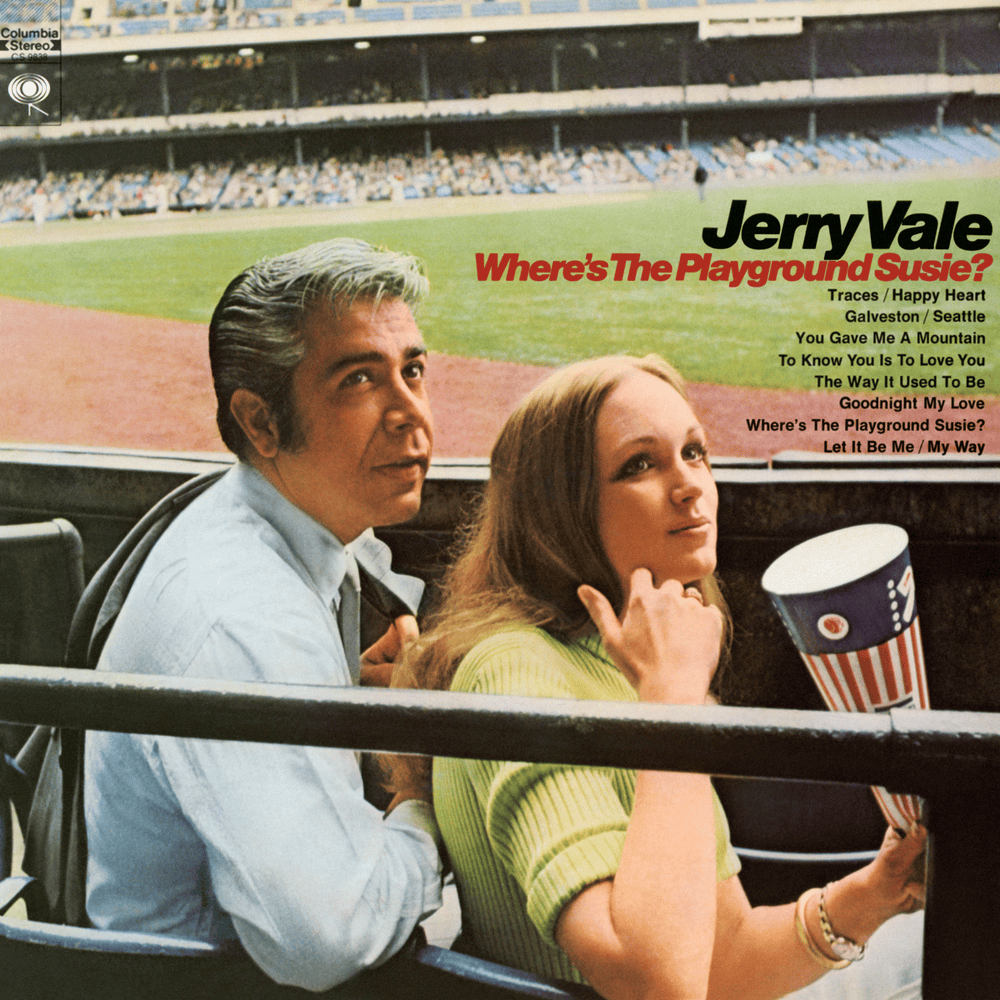
Jerry Vale's rendition of "The Way It Used To Be" isn't just a song; it's a sonic portrait of lingering heartbreak, painted with the somber hues of memory and regret. The opening image – a solitary table amidst a bustling room – immediately establishes a profound sense of isolation. Vale masterfully embodies the heartbroken individual, surrounded by life yet utterly detached, finding solace only in the melancholic comfort of the past. The bittersweet refrain underscores the central theme: a yearning for a time before loss irrevocably altered the emotional landscape. It's a common human experience, this desire to rewind and relive moments untouched by sorrow. Vale's performance captures the poignant ache of that impossibility.
The repeated request to "play the song the way it used to be" transcends a mere musical preference; it's a desperate plea to resurrect a vanished emotional state. The lyrics suggest that the song itself has become tainted by the relationship's demise, its melody now carrying the weight of sadness. This speaks to the psychological phenomenon of emotional conditioning, where stimuli (in this case, a song) become inextricably linked to specific emotional experiences. The hope that she might hear their "love song" and remember the past reveals a fragile optimism, a flicker of belief that shared memories might somehow bridge the chasm of separation.
The brief interlude mentioning friends and concealed pain adds another layer to the song's meaning. The protagonist's ability to "laugh and hide the pain" speaks to the performative aspect of grief, the societal pressure to mask vulnerability. However, this facade crumbles as soon as the friends depart, and "the song begins again," highlighting the cyclical nature of grief and the inescapable power of memory. Ultimately, "The Way It Used To Be" by Jerry Vale explores the complex interplay between memory, emotion, and music, offering a resonant exploration of love, loss, and the enduring power of the past.
 View Artist