Song Meaning
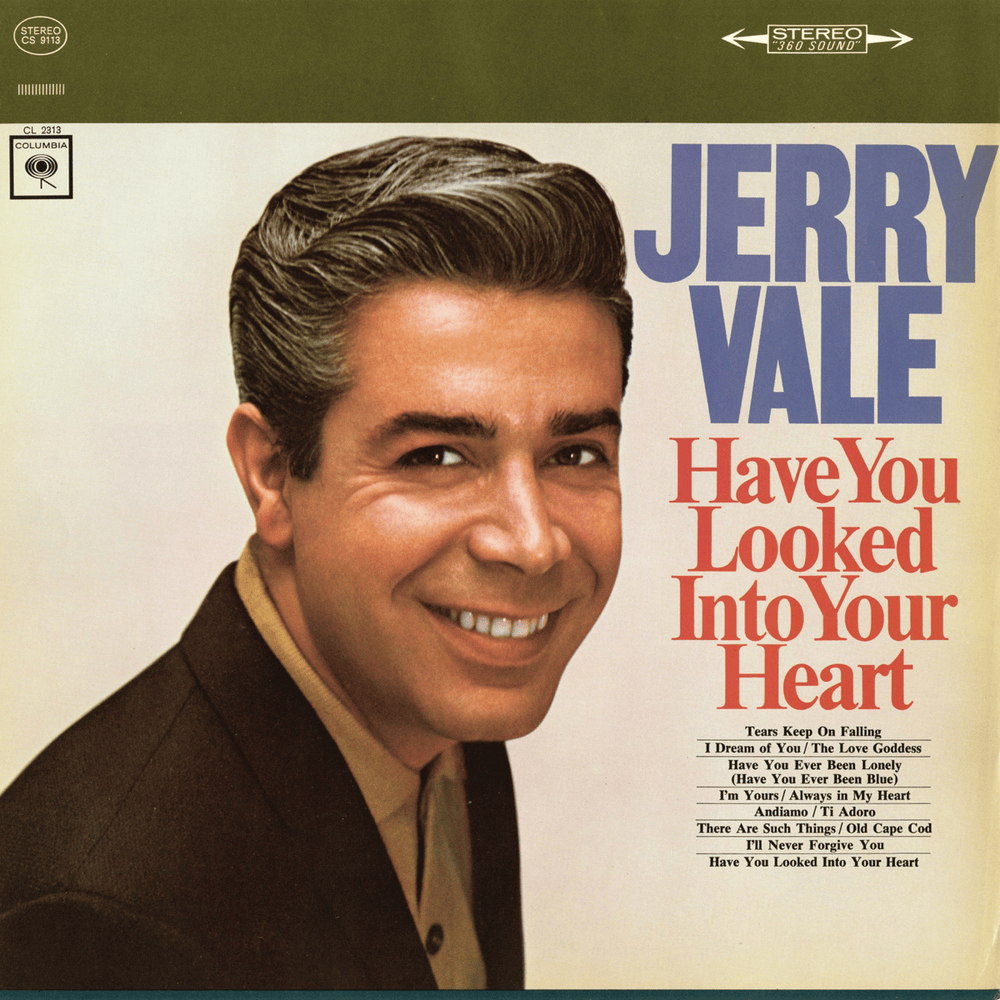
Jerry Vale's "The Love Goddess" isn't just a song; it's an act of devotional hyperbole set to music. Vale, known for his velvety croon, doesn't just admire a woman; he elevates her to the status of a deity. The lyrics drip with a kind of breathless, almost desperate adoration. The opening lines paint a picture of instant infatuation, where the mere presence of this woman eclipses everything else. It's a classic trope, but Vale sells it with a sincerity that borders on religious fervor. The violins that "start to play" aren't just musical accompaniment; they're the soundtrack to a personal revelation.
The central metaphor, of course, is the "Love Goddess" herself. She's not simply attractive; she's an object of worship. Vale pledges servitude, declaring, "Love Goddess, I'll be your slave." This isn't a healthy relationship dynamic; it's a projection of idealized perfection onto another human being. The song taps into a deep-seated human desire to find ultimate fulfillment in another person, a desire that, when unchecked, can lead to unhealthy obsession and the erosion of self. The lyrics suggest a complete surrender of agency, a willingness to be defined entirely by the object of affection.
Ultimately, "The Love Goddess" is a fascinating, if somewhat unsettling, exploration of the power of infatuation and the dangers of deifying another person. It's a reminder that while love can be transformative, it shouldn't come at the cost of one's own identity. Vale's performance, dripping with earnestness, only amplifies the song's underlying psychological tension. It's a romantic ballad, yes, but one with a dark, almost cautionary undercurrent.
 View Artist