Song Meaning
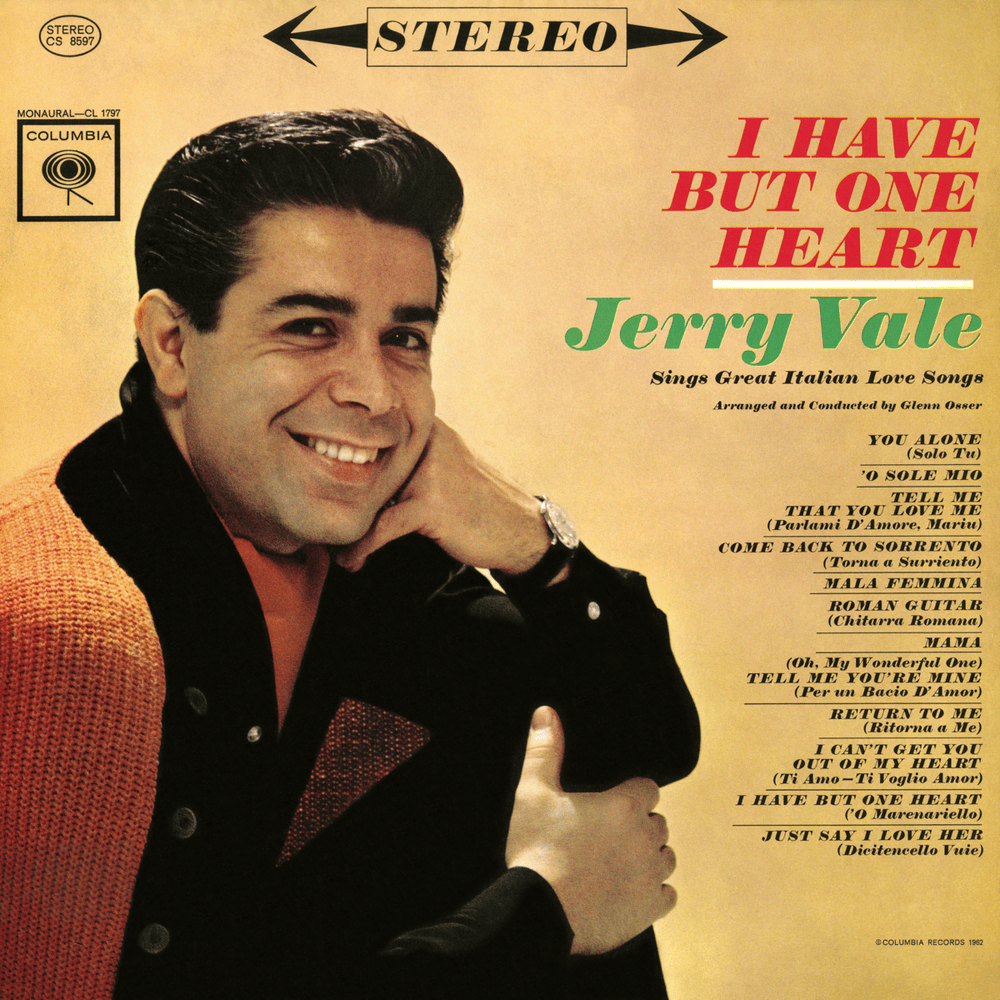
Jerry Vale's rendition of "Tell Me That You Love Me (Parlami D'Amore, Maria)" isn't just a love song; it's an exploration of the anxiety inherent in seeking validation. The lyrics, simple on the surface, reveal a deep-seated need for reassurance. The repeated plea, "Tell me that you love me, tonight," underscores a vulnerability, a desperate desire to solidify a fleeting moment of connection into something permanent. This isn't a confident declaration of love returned; it's a question posed with a trembling voice, hinting at an underlying fear of loss or unworthiness. The singer seeks not just love, but the *confirmation* of love, as if spoken words are the only tangible proof of its existence.
The insertion of the Italian phrase "Parlami d'amour, Mariù / Tutta la mia vita sei tu" (Speak to me of love, Mariù / You are all my life) adds another layer of complexity. It elevates the sentiment, connecting it to a tradition of romantic expression while also intensifying the inherent neediness. The shift into another language doesn't just broaden the song's appeal, it amplifies the emotional weight, suggesting that the desire for affirmation transcends cultural boundaries. It's a primal urge, expressed in the universal language of longing. The line "Can't go on without me" is either a misheard lyric or a stroke of genius; the line suggests a codependent relationship that is so complete that the singer cannot even go on without *himself*.
Ultimately, Vale's performance, combined with the pleading lyrics, paints a portrait of a lover caught in a cycle of insecurity. The song exposes the raw nerve of needing to hear the words, even if the actions are already present. It’s a reminder that love, in its most vulnerable form, often requires constant maintenance, a continuous reassurance that the connection remains intact. The beauty of "Tell Me That You Love Me" lies not just in its melody, but in its unflinching portrayal of the fragile ego seeking solace in the spoken affirmation of love.
 View Artist