Song Meaning
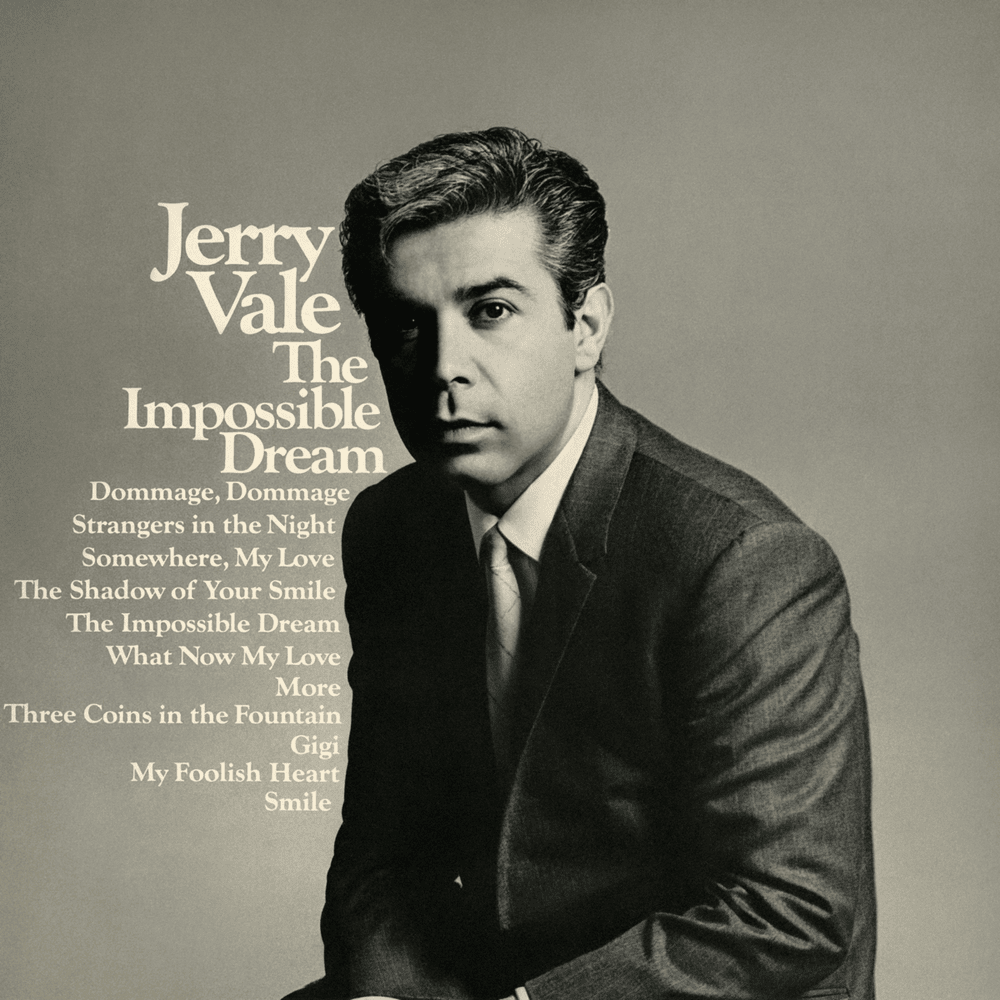
Jerry Vale's rendition of "More (Theme from 'Mondo Cane')" isn't just a love song; it's an operatic declaration of devotion bordering on existential dependency. The lyrics bypass subtle romance, opting instead for grand pronouncements: "More than the greatest love the world has known," he croons, immediately setting the stakes at cosmic levels. It's a love that transcends earthly bounds, a sentiment echoed throughout the song. The repetition of "more" isn't just lyrical filler; it's the desperate plea of a soul seemingly incomplete without its object of affection. Vale isn't singing about love as a feeling; he's portraying it as a fundamental requirement for existence. He doesn't just love; he *lives* to love. This isn't a healthy relationship; it's a co-dependent spiral set to a lush orchestral arrangement.
The song's intensity lies in its almost unsettling commitment. Phrases like "My life will be in your keeping" suggest a complete surrender of autonomy. It's a vulnerability bordering on masochism, where waking, sleeping, laughing, and weeping are all dictated by the presence and approval of the beloved. This isn't about shared joy; it's about outsourced emotional regulation. The promise of a love "longer than always" and "far beyond forever" ventures into the realm of the eternal, suggesting a love that defies even the limitations of time itself. This hyperbolic language, while romantic on the surface, hints at a possessiveness that veers into obsession.
Ultimately, "More" presents a vision of love as all-consuming and absolute, a force that both defines and sustains the singer's very being. The concluding lines, "I know I never lived before / And my heart is very sure / No one else could love you more," reinforce this idea of a prior existence devoid of meaning, now rendered complete by this singular, overwhelming passion. The song's resonance lies in its ability to tap into the human desire for unconditional love and acceptance, while simultaneously hinting at the potential dangers of surrendering one's self entirely to another. It's a beautiful, yet slightly unnerving, portrait of love as both salvation and potential self-annihilation.
 View Artist