Song Meaning
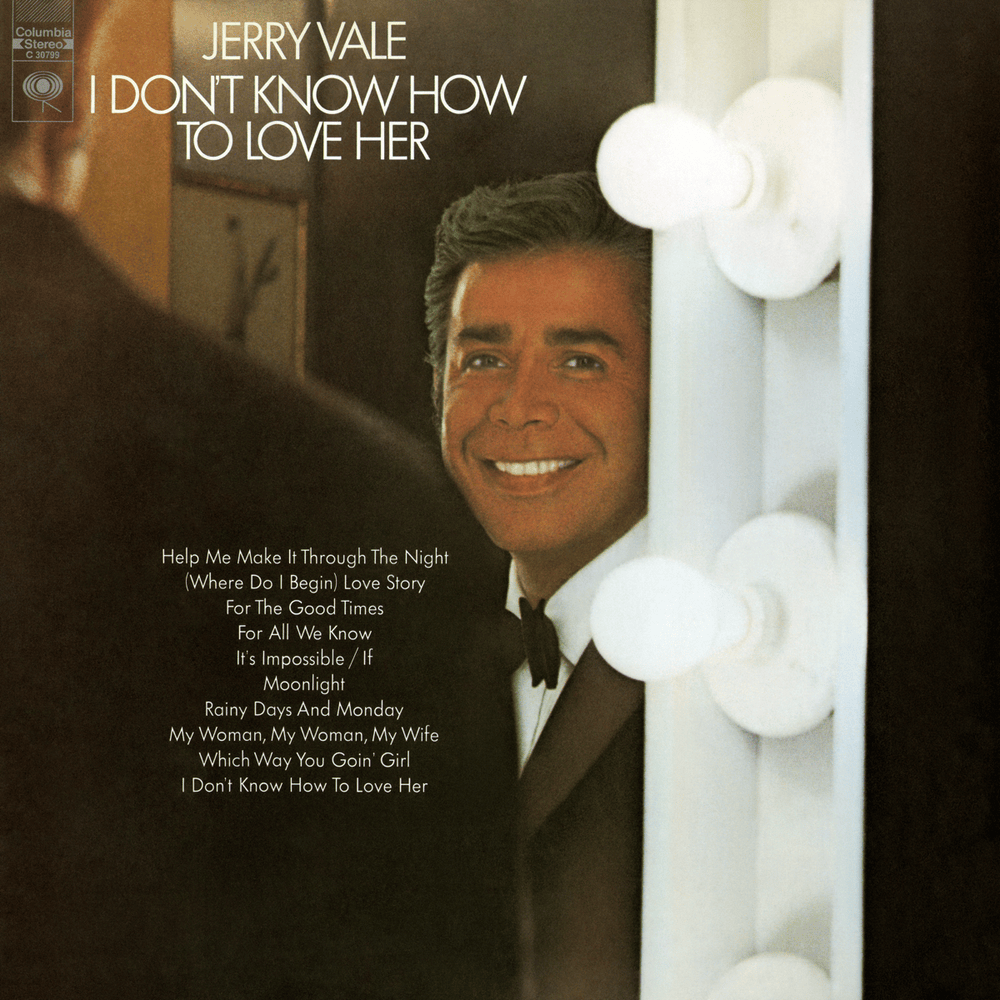
Jerry Vale's "It's Impossible" isn't just a love song; it's an exploration of the human psyche when confronted with the seeming impossibility of living without a profound connection. The lyrics delve into a dependency that transcends simple affection, painting a portrait of a soul utterly intertwined with another. Vale isn't singing about mere longing; he's articulating a perceived existential crisis. The repeated assertion that certain things are "impossible"—the sun leaving the sky, a baby not crying—serves to elevate the beloved to a force of nature, as fundamental and unavoidable as the cosmos itself. This dramatic hyperbole reveals a mind grappling with codependency, where the absence of the loved one feels akin to a violation of natural law.
The core of the song's meaning rests on the psychological weight of perceived necessity. Vale isn't simply stating a preference for his lover's presence; he's arguing that his very survival hinges upon it. The lyrics, "And tomorrow, should you ask me for the world/Somehow I'd get it, I would sell my very soul/And not regret it, for to live without your love/Is just impossible," expose a willingness to sacrifice everything—even his eternal well-being—to maintain the connection. This isn't healthy devotion; it's a potentially self-destructive obsession rooted in deep-seated insecurities or a fear of abandonment. The song, therefore, acts as a window into a mind struggling with the boundaries between love, need, and self-preservation.
"It's Impossible" resonates because it taps into a universal fear: the fear of losing something or someone so integral to our identity that life itself seems untenable without them. While the song's melody and Vale's delivery are undeniably romantic, the underlying message hints at a darker, more complex emotional landscape. It asks us to consider the potential pitfalls of placing our entire sense of self-worth and well-being in the hands of another, blurring the line between devotion and dependency. The song meaning, therefore, resides not just in its surface-level declaration of love, but in its subtle exploration of the psychological extremes that love can sometimes engender.
 View Artist