Song Meaning
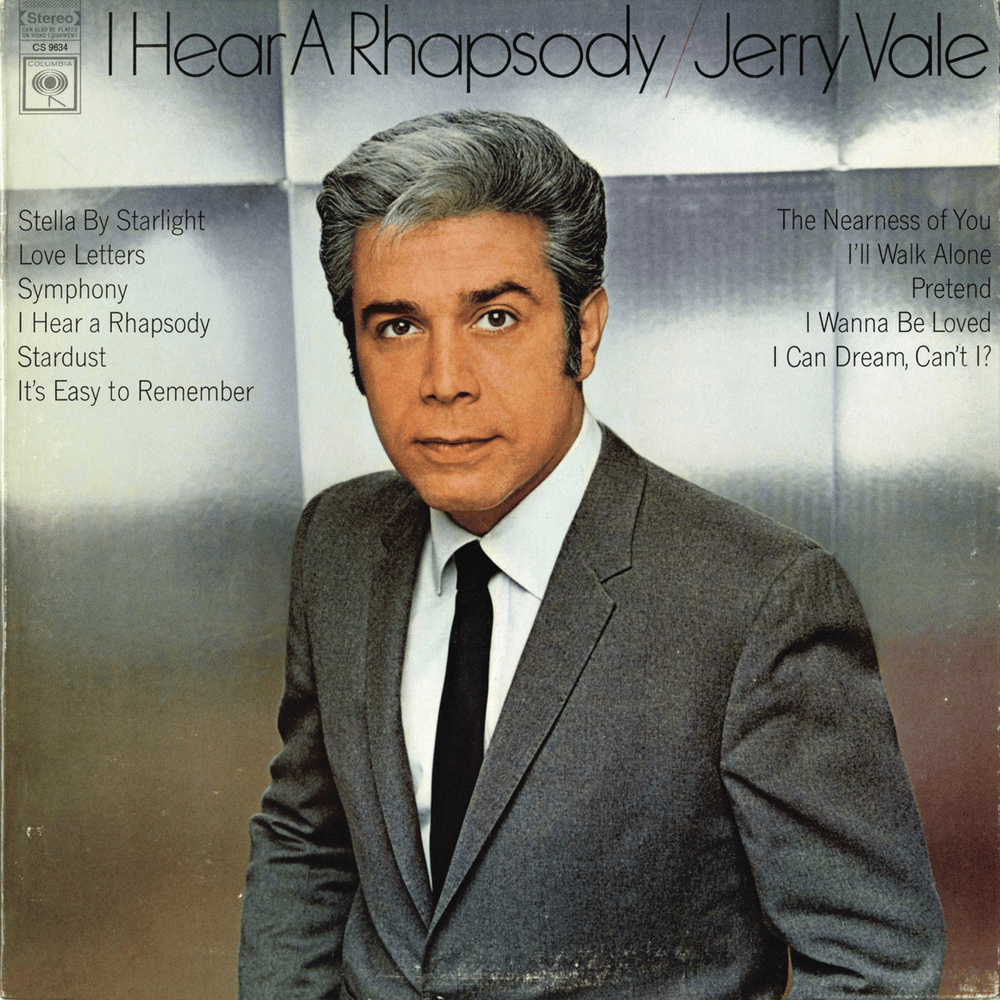
Jerry Vale's rendition of "I Can Dream, Can't I?" is a poignant exploration of unrequited love, a theme as old as romance itself, yet rendered here with a particular, aching vulnerability. The song meaning resides not just in the surface-level confession of longing, but in the quiet desperation that underscores each phrase. Vale isn't merely stating a desire; he's pleading for the right to maintain a fantasy, a private world where reciprocation isn't a cruel impossibility. The repeated question, "But I can dream, can't I?" becomes a fragile shield against the harsh reality of his situation. It's a rhetorical defense, a desperate grasp at the one thing—the inner landscape of dreams—that remains within his control. The singer acknowledges the futility of his affections with stark clarity: "No matter how near you'll be / You'll never belong to me."
The lyrics analysis reveals a speaker fully cognizant of his predicament. He isn't blinded by naive hope; instead, he's making a conscious choice to indulge in fantasy as a coping mechanism. The lines, "My heart is a sad affair / There's much disillusion there," cut through any potential sentimentality, grounding the song in a mature understanding of heartbreak. The metaphor of dreams as wine, leaving him "drunk with mine," is particularly evocative. It suggests that this dreaming is not just a passive pastime, but an active, almost addictive escape from the pain of reality. The intoxication provides a temporary reprieve, blurring the edges of what is and what can never be.
Ultimately, "I Can Dream, Can't I?" is a study in the human capacity for self-soothing. It's about finding solace in the realm of imagination when the tangible world offers only disappointment. Vale's delivery, imbued with a wistful tenderness, only deepens the song's inherent pathos. The song doesn't offer a resolution or a path to healing; it simply acknowledges the enduring power of dreams to sustain us, even when those dreams are built on the foundation of unfulfilled desires. The oceans that separate the singer from his beloved are both literal and metaphorical, representing the vast chasm between longing and fulfillment. This is where the true song meaning lies.
 View Artist